Protecting health workers from infectious diseases is essential to safe, quality healthcare. Through strengthened Infection Prevention and Control (IPC) systems, China-Uganda Friendship Hospital, Naguru (CUFH) has significantly improved its performance, increasing waste management scores from 5% to 88% and hand hygiene compliance from 40% to 76% within three months.
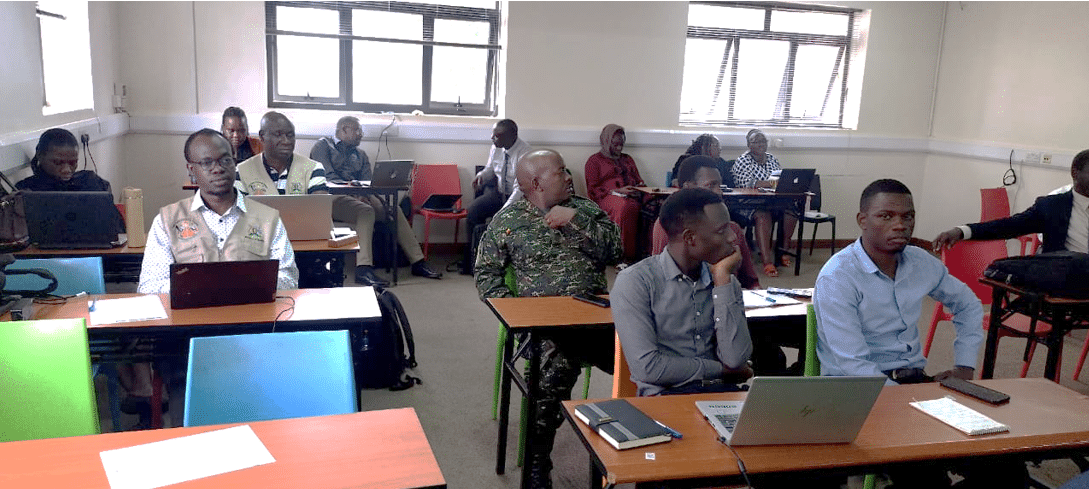
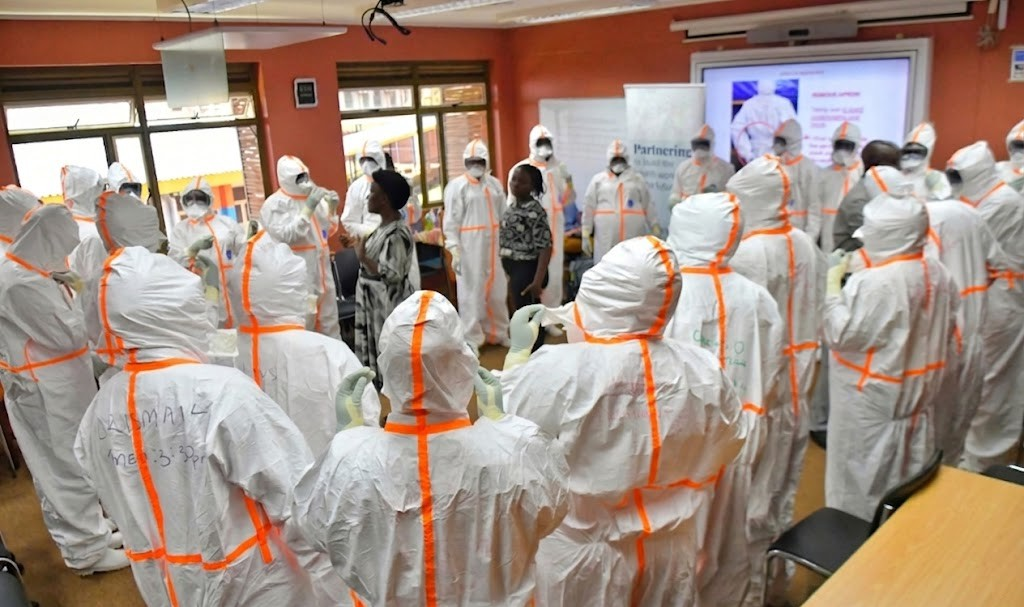
Supported by the Ministry of Health and Baylor Foundation Uganda, with funding from the U.S. CDC, the hospital received capacity-building mentorships that enhanced staff knowledge, monitoring, and accountability. IPC measures—including hand hygiene, proper use of personal protective equipment, waste management, environmental cleaning, and equipment sterilization—have been integrated into routine service delivery.
“The capacity building mentorship we received, broadened our knowledge and helped us understand the importance of IPC and monitoring,” said Sharifa Nakabubi, the hospital’s IPC focal person.
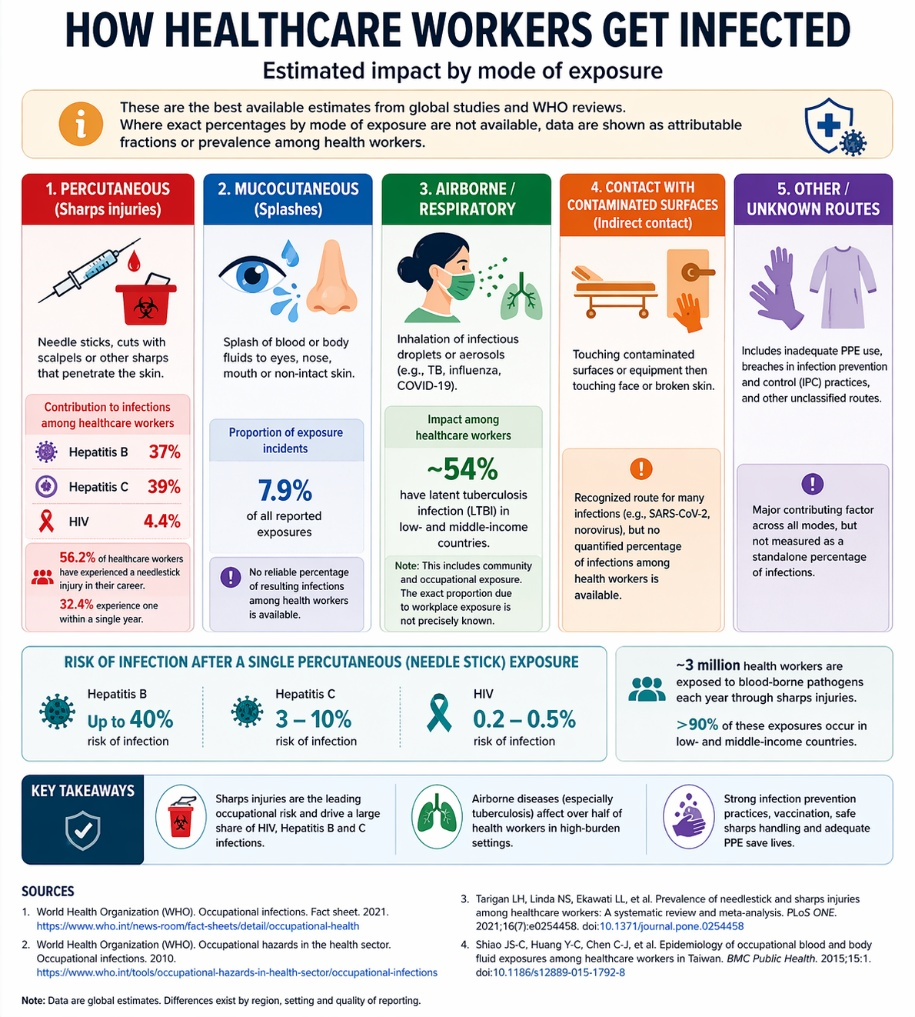
IPC is an evidence-based approach recommended by the World Health Organization (WHO) to prevent the spread of infections in health facilities. It includes practical measures such as hand hygiene, use of personal protective equipment (PPE), safe waste management and equipment disposal, environmental cleaning, and proper sterilization of equipment.
An active IPC Committee involving all departments has fostered shared responsibility, while staff commitment has driven lasting change. Teams now conduct routine self-assessments, apply Continuous Quality Improvement approaches, and even produce disinfectant locally, supporting facilities in need.
“The improvements we have seen in hand hygiene and waste management show what is possible when everyone works together toward a common goal,” noted a hospital manager. “We are proud not only of our progress, but also of our ability to support other facilities to strengthen their IPC systems.”
Beyond improving its own performance, CUFH is mentoring 12 other health facilities to strengthen their IPC systems. This progress demonstrates how institutional commitment, teamwork, and continuous learning can build safer, more resilient health systems, protecting health workers, patients, and communities during outbreaks and routine care alike.