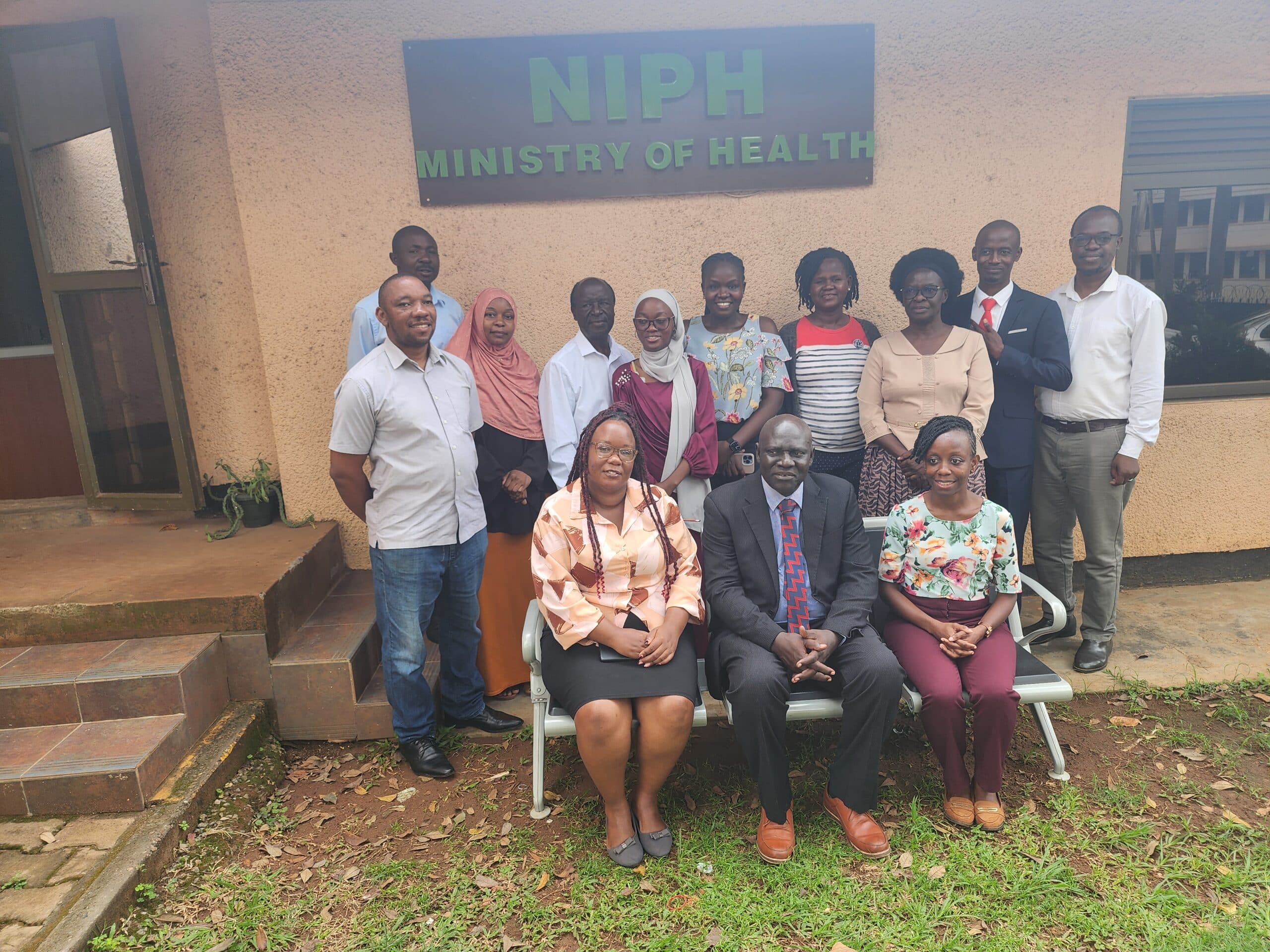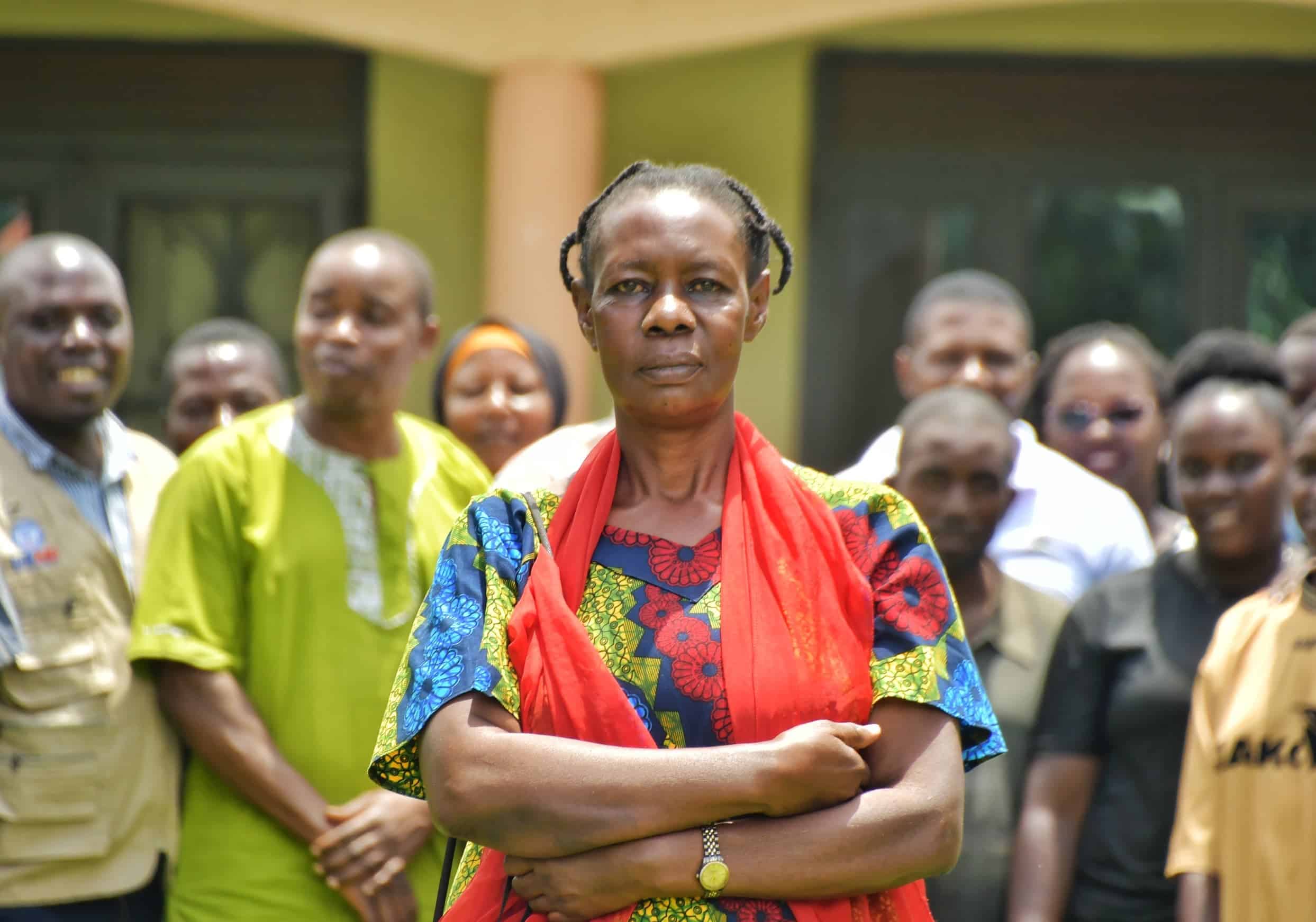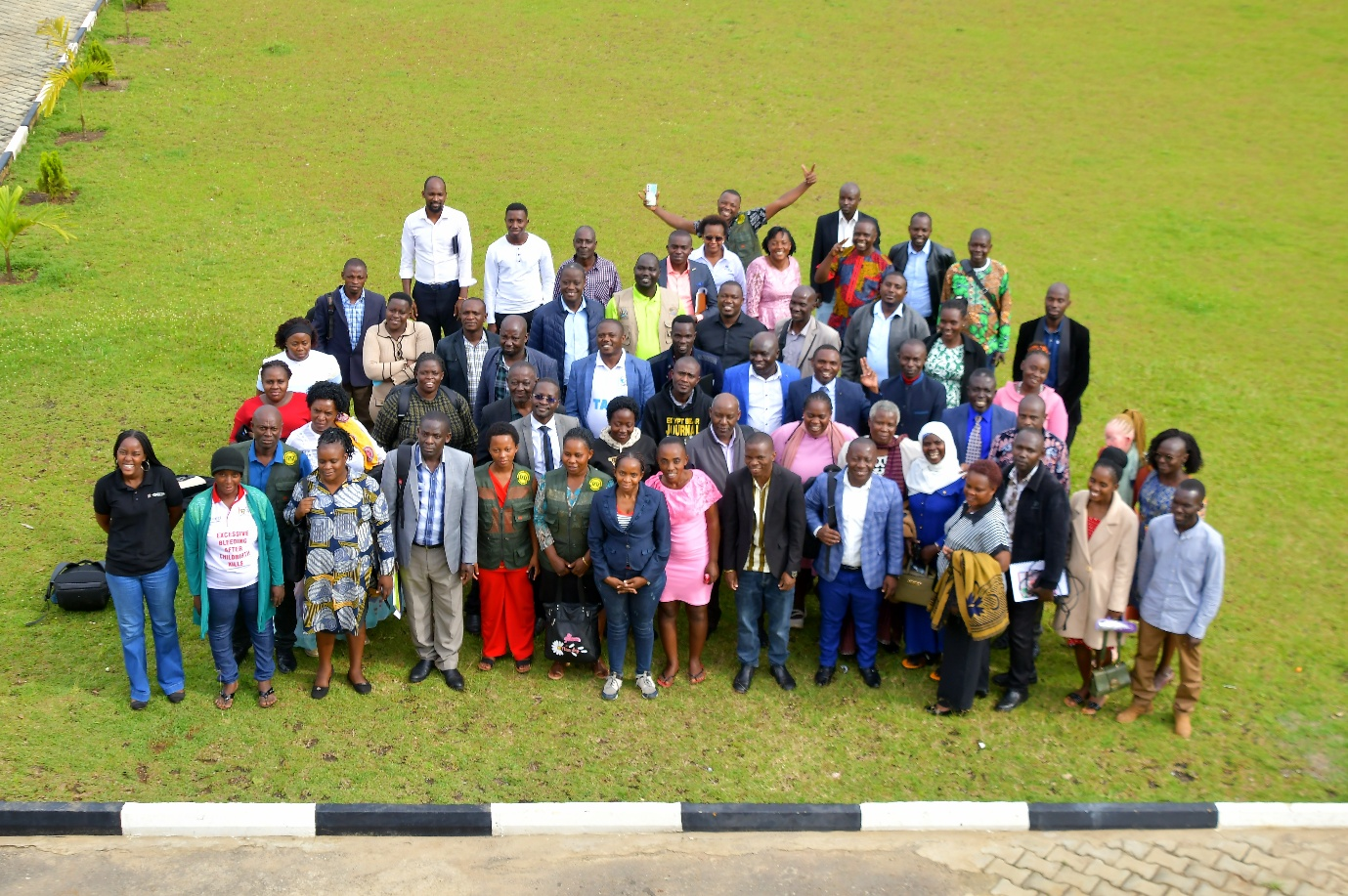
Participants pose for group photo after discussion
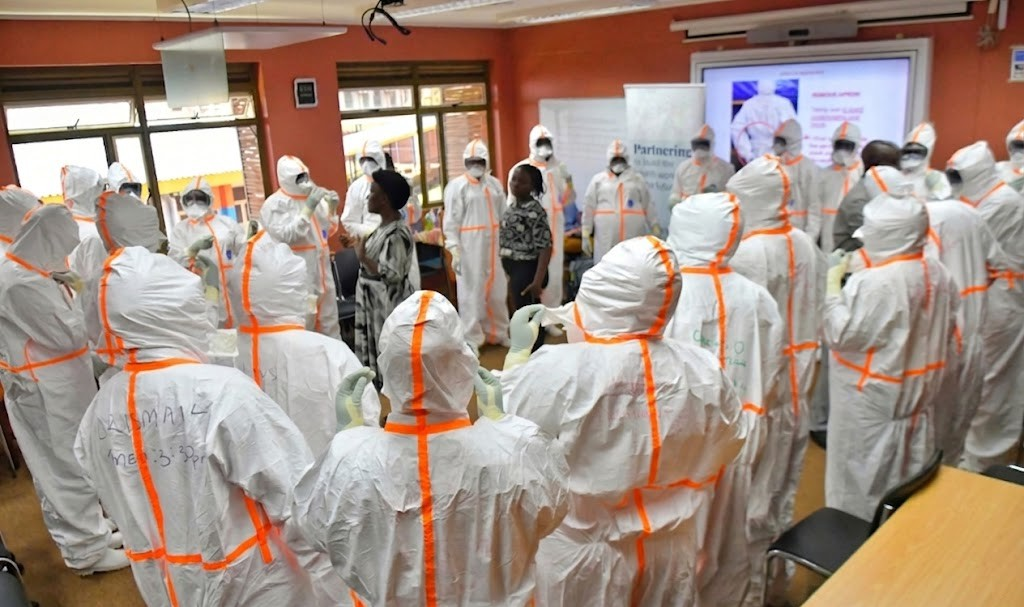
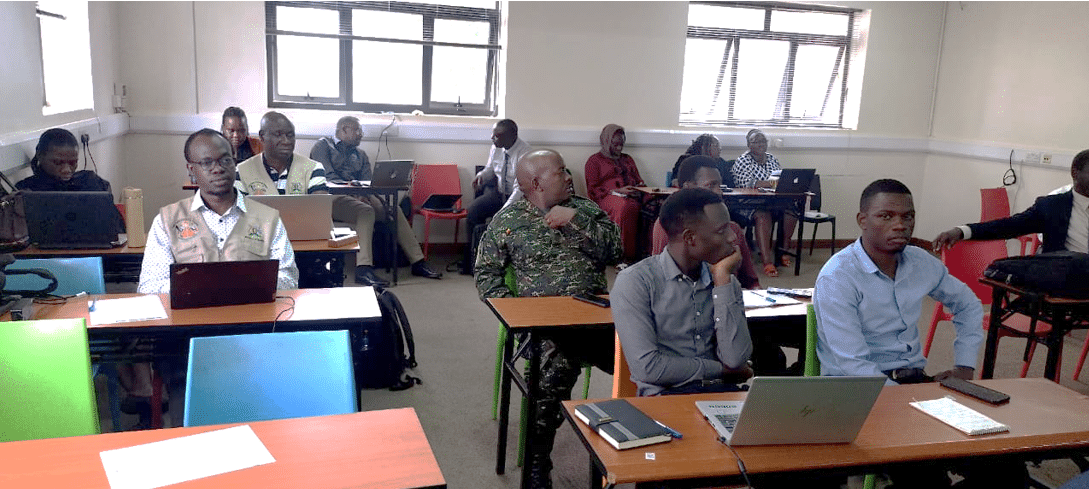
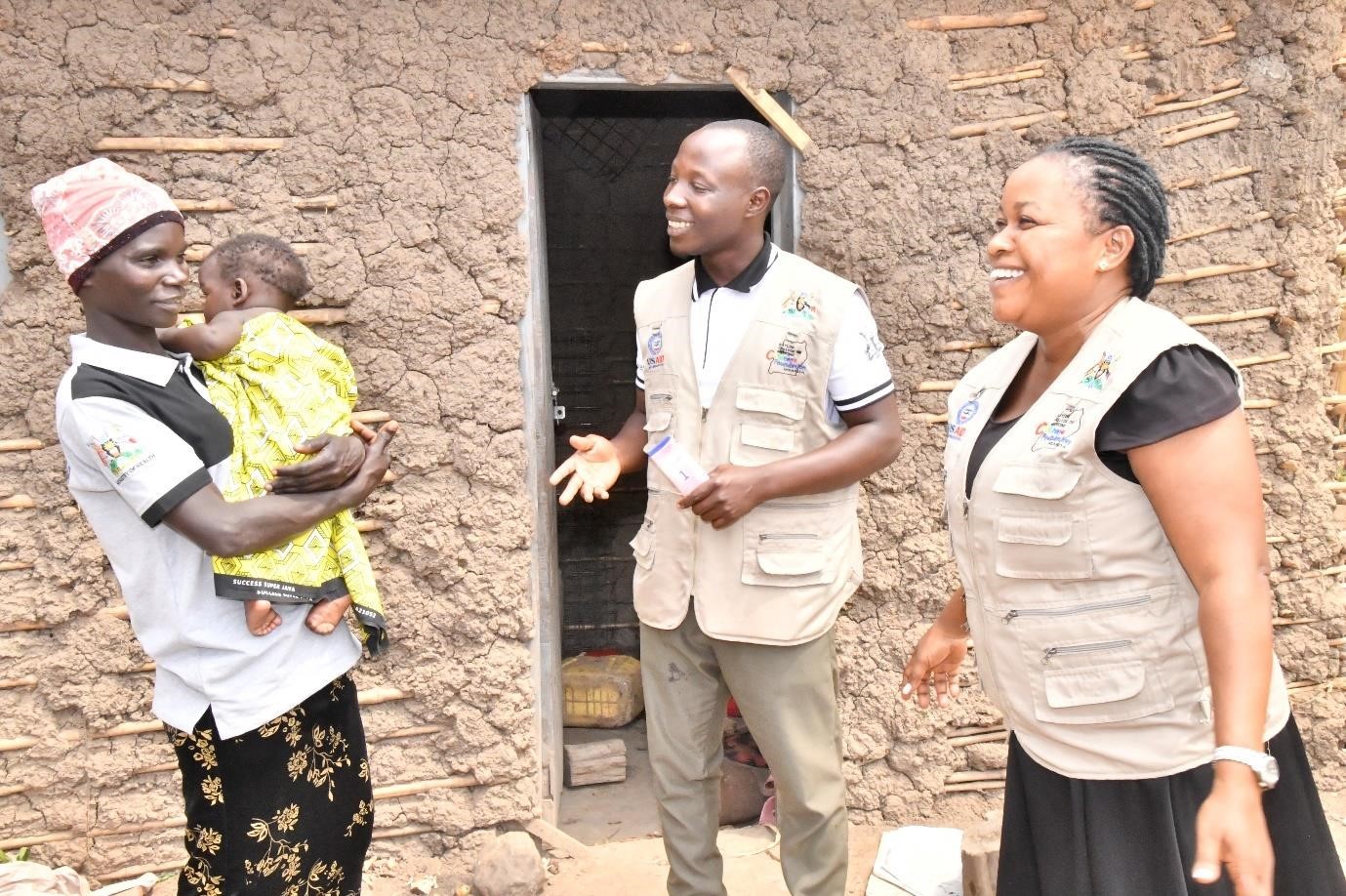
Stakeholders from five districts convened in Fort Portal City on Thursday, 26 March 2026, to strengthen Community-Led Monitoring (CLM), a growing approach that enables communities to improve health service delivery through active participation.
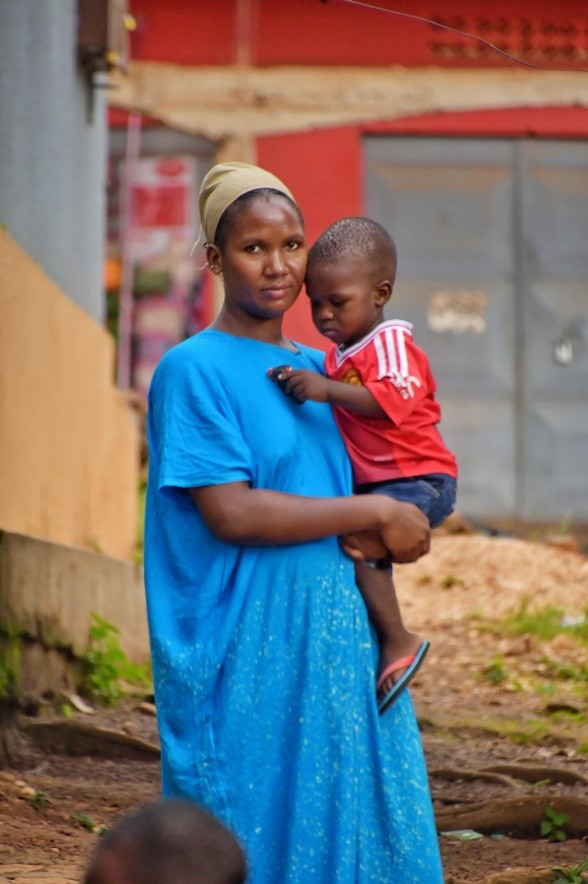
The CLM approach is a people-centred accountability model that empowers communities to systematically assess the availability, accessibility, acceptability, affordability, and quality (AAAAQ) of health services. It also generates community-owned evidence to inform service improvement and decision-making. The meeting brought together representatives from affected communities, implementers, policymakers, and duty bearers to assess progress and identify opportunities for improvement.
“The dialogue has been transparent, promoting accountability and shared responsibility without pointing fingers,” noted a representative from The AIDS Support Organisation (TASO).
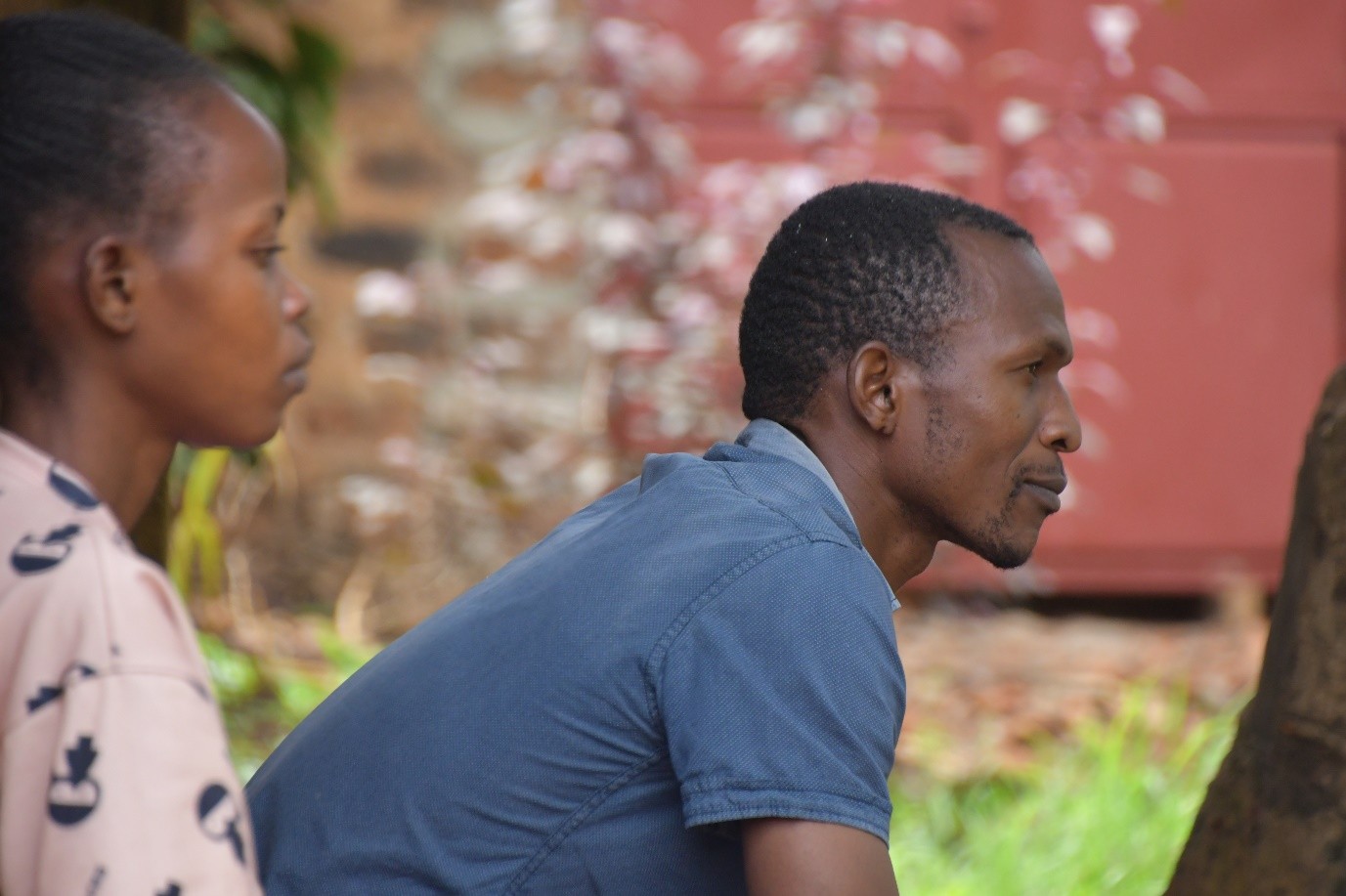
“Gracious Biira, a CLM monitor, said the approach has helped communities understand their health rights and demand better services. There is now grassroots-level engagement in the progress of health facilities which has grown a sense of ownership and responsibility.
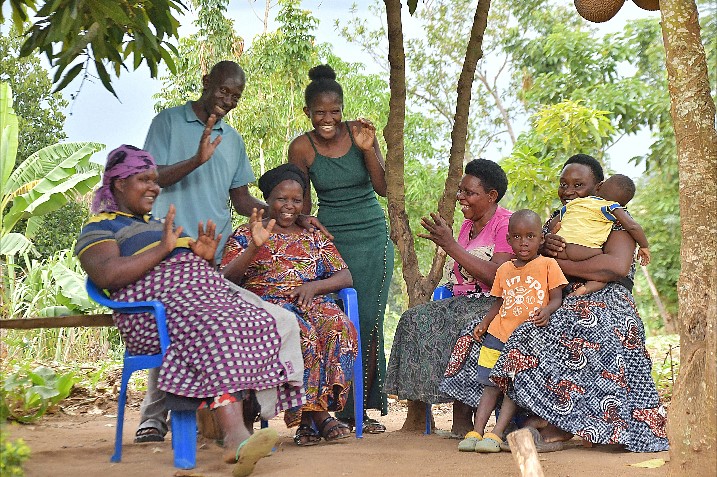
Participants highlighted key achievements linked to CLM, including reduced patient waiting times, decreased congestion at health facilities, and improved relationships between community members and healthcare providers.
Despite these gains, stakeholders identified gaps and proposed solutions, including leveraging existing community platforms such as Barazas to strengthen community sensitisation. These interventions are tailored to district-specific needs while promoting long-term sustainability.
The engagement comes at a critical time, as districts are currently undertaking planning and resource allocation processes. The Principal Assistant Secretary of Bundibugyo District noted that the recommendations generated during the meeting will inform decision-making as leaders work to address priority heath needs.
The discussions form part of the Grant Cycle 7 (GC7) Project, implemented by Baylor Foundation Uganda, with funding from the Global Fund through TASO, the Principal Recipient.
The project focuses on preventing HIV, Malaria and tuberculosis among vulnerable populations, including adolescent girls and young women, while expanding access to treatment and strengthening community systems across 35 districts.