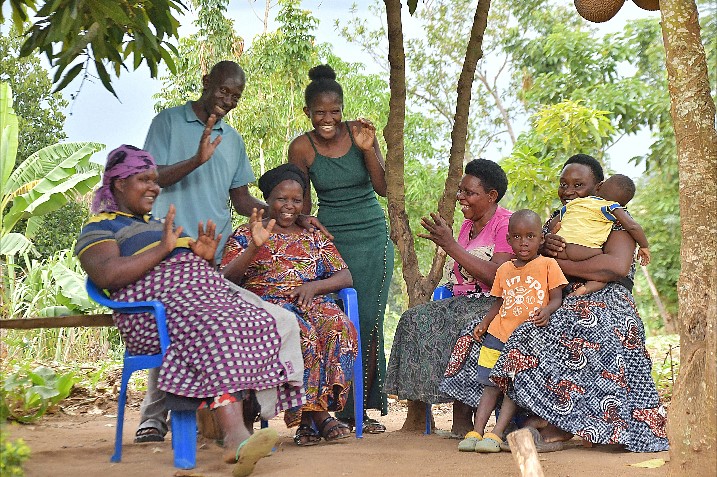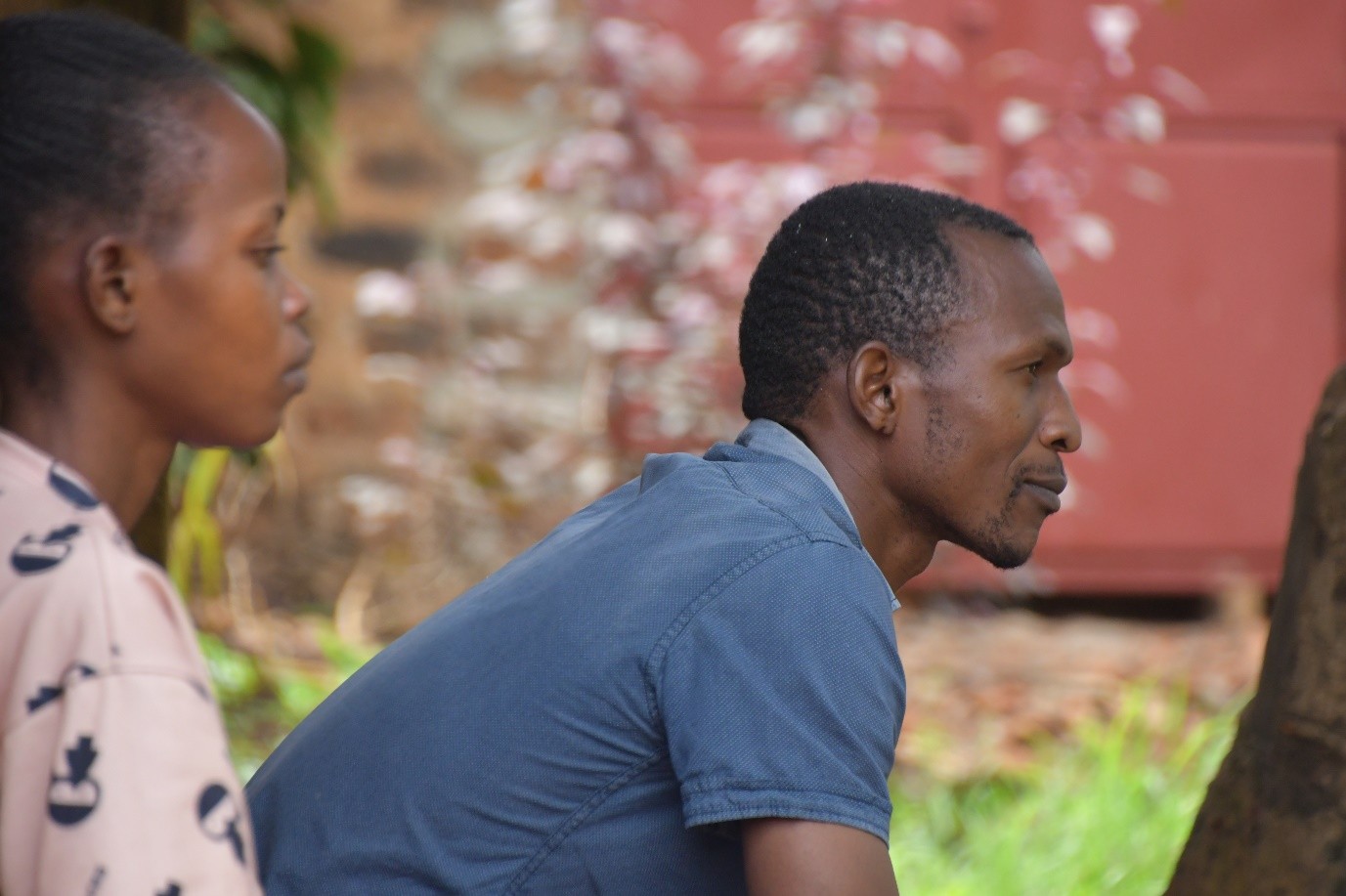
Ebola Survivor, Aramadhan with his wife, Nulu.
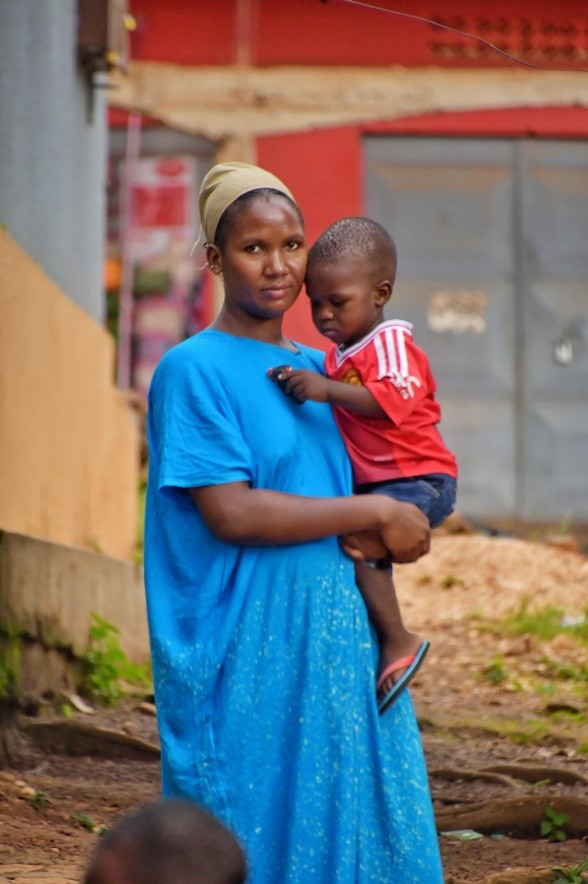
The aftermath of Ebola is just the beginning of another battle fraught with many challenges. These challenges include physical challenges such as headaches, joint and muscle pain, memory loss and Ebola-related eye complications. They also face neurological and musculoskeletal problems a viral persistence s well asin the semen of male survivors and breastmilk of lactating mothers. Additionally, others many experience psychological effects like post-traumatic stress disorder and depressive symptoms. These hidden struggles necessitate long-term care, close monitoring and psychosocial support to recover fully and to prevent the risk of a future resurgence.
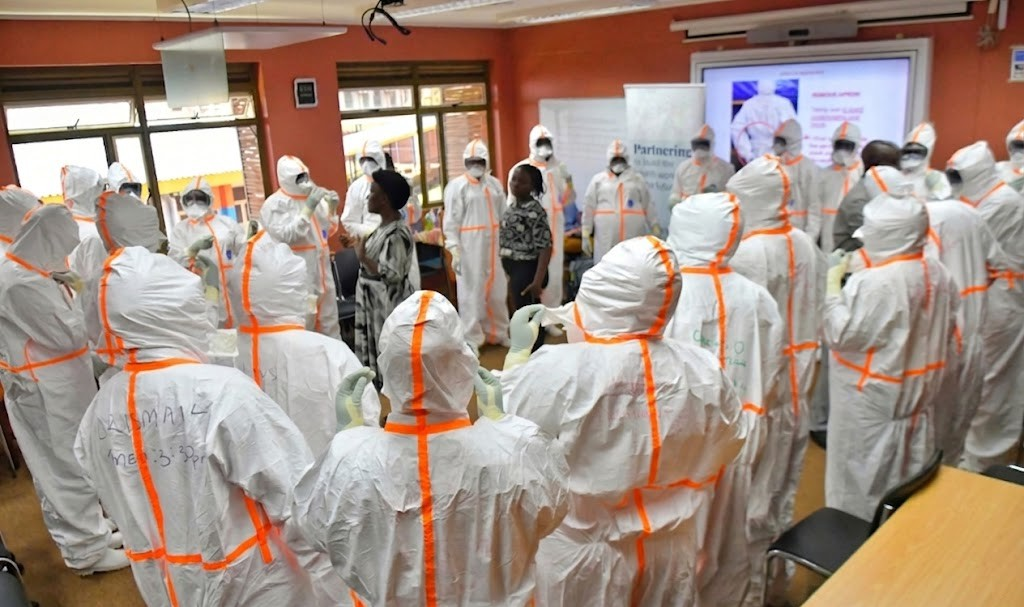
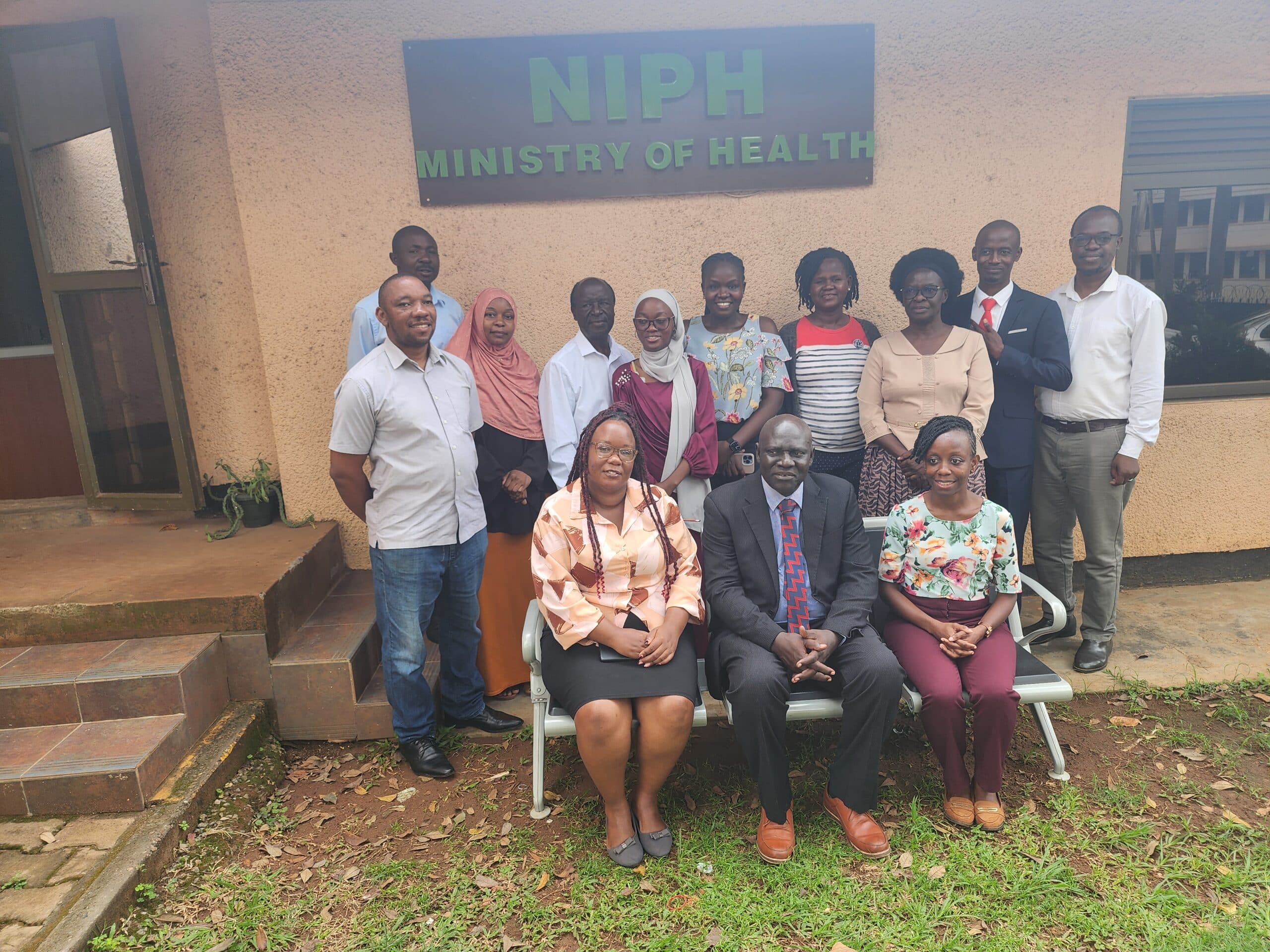
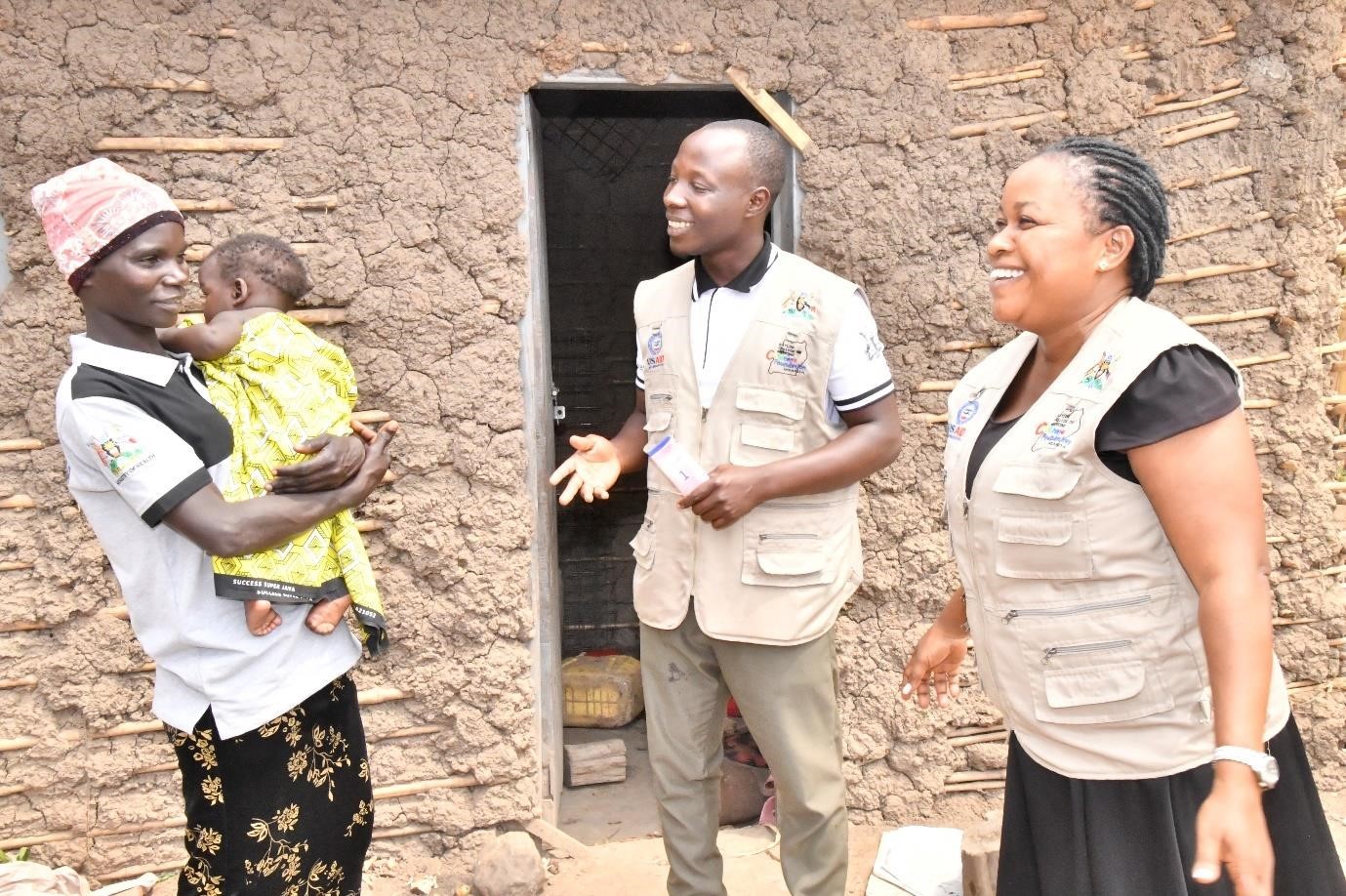
Aramadhan, an Ebola survivor and brother to the first documented case of the recent Ebola Sudan Ebola Virus Disease (SUDV) in the country, is one of fourteen individuals currently receiving post-recovery support. After his discharge from the treatment unit, the Ministry of Health in collaboration with Baylor College of Medicine Children’s Foundation Uganda and with funding support from the U.S. Government has established the National Ebola Survivors Program to support him and other survivors.
Besides providing clinical reviews and mental health and psychosocial support for community reintegration, the team is monitoring viral persistence among the men and providing couple counseling as they navigate these challenges – to reinstate intimacy, safety and trust after infection.
“No one loves my family more than I do,” Aramadhan says, expressing his determination to protect them.
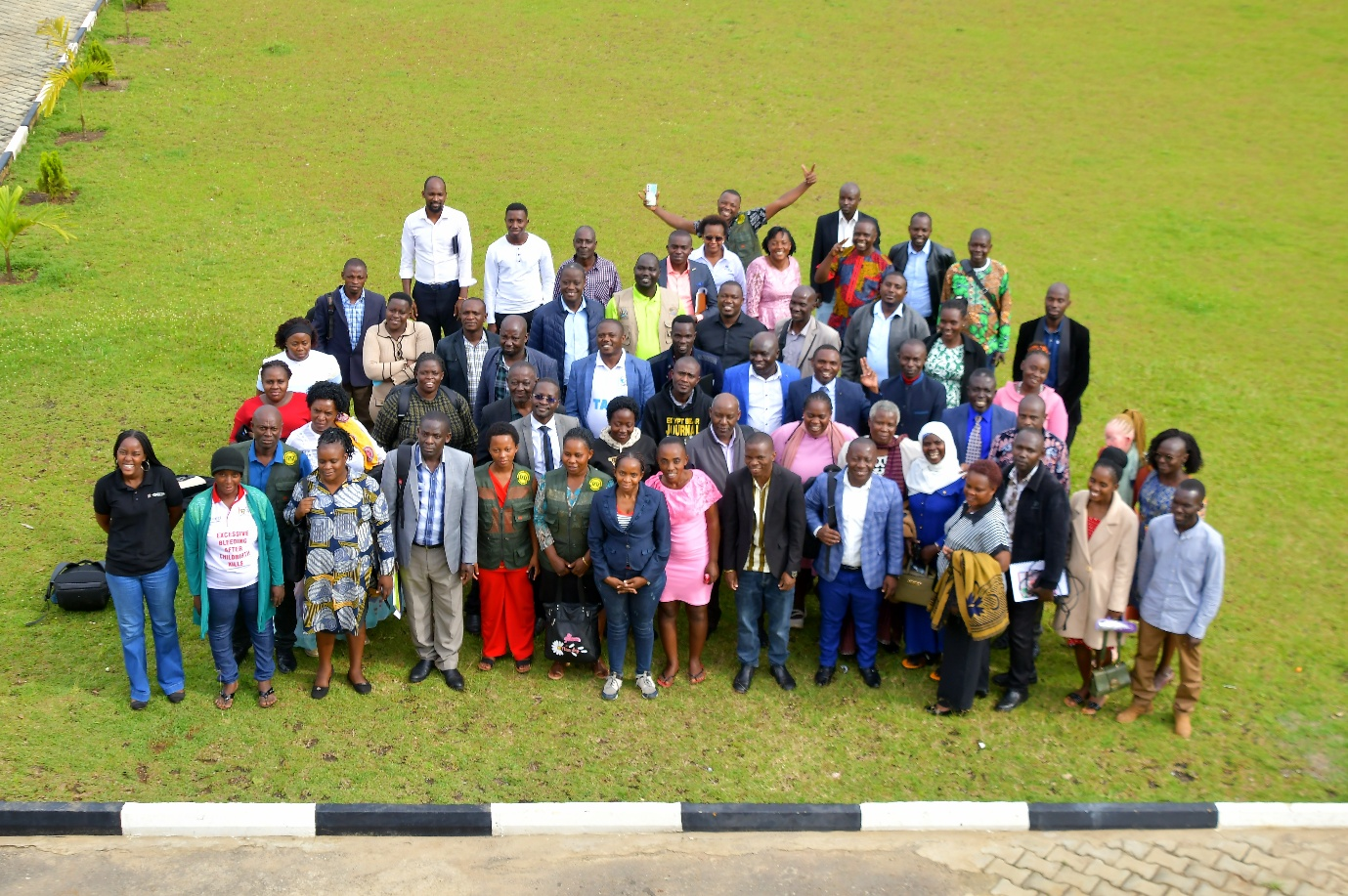
With continued support, this program is helping survivors and their families rebuild their lives– as they move beyond survival to reclaim their lives with hope, dignity and full recovery.
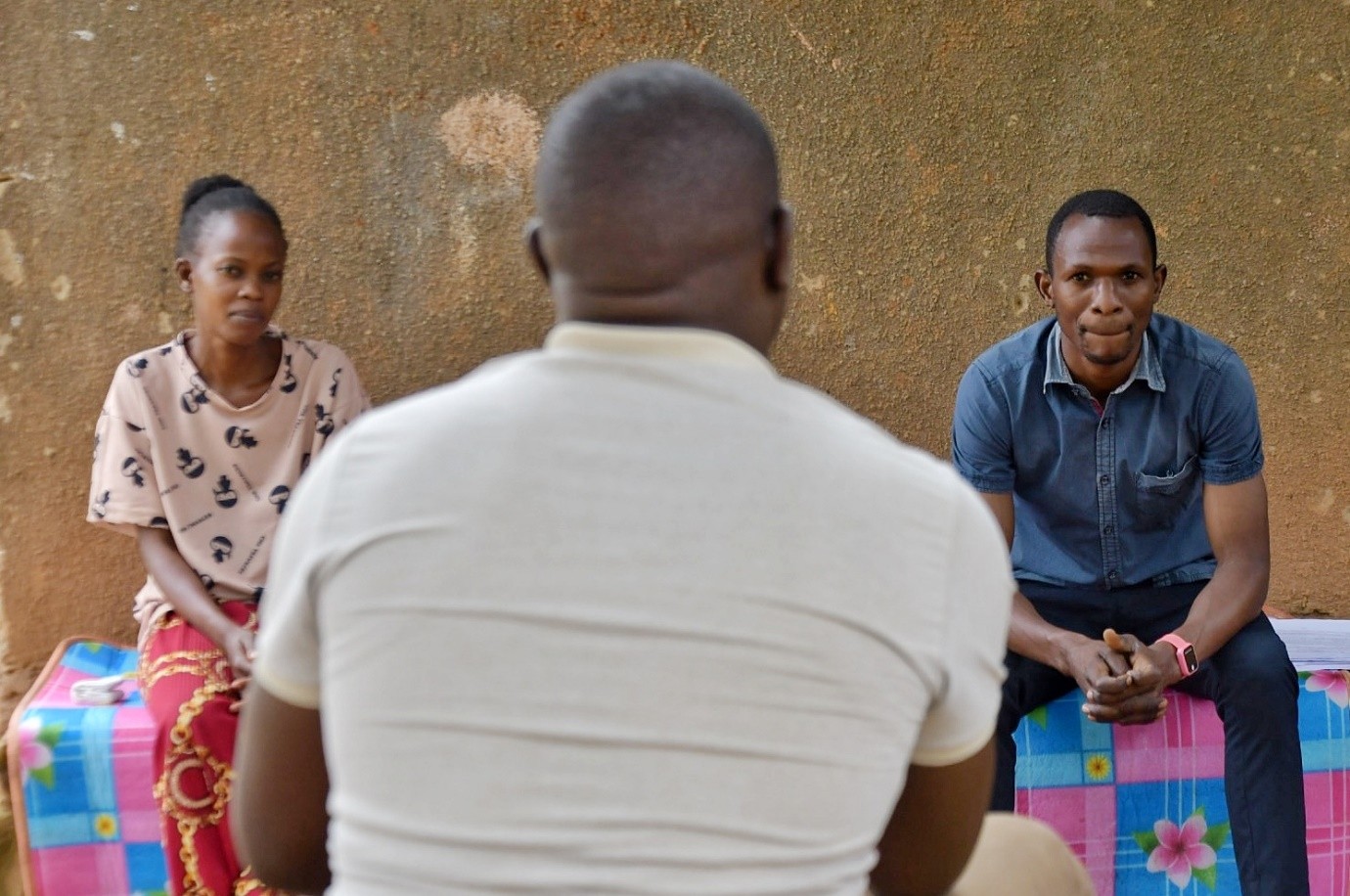
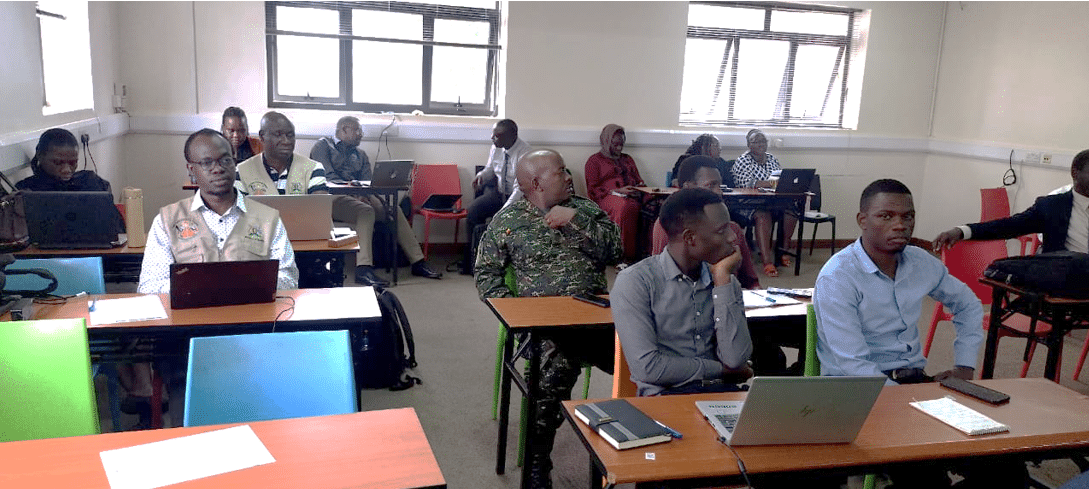
Session with a Baylor Foundation Uganda Medical Officer, Dr. Michael Nanjubu.