Donors
Centres for DiseaseControl (CDC), Global Health, ELMA-MNCH, URMCHIP
Coverage
Project Coverage across 330 Health Facilities in these regions; Fort Portal region (9 districts and one city) - Bundibugyo, Bunyangabu, Kabarole, Kamwenge, Kasese, Kitagwenda, Kyegegwa, Kyenjojo, Ntoroko, and Fort Portal city Mubende Region (6 Districts) – Mubende, Kassanda, Mityana, Kiboga, Kyankwazi, and Nakaseke Hoima Region (8 districts and one city) – Hoima, Kukube, Buliisa, Masindi, Kiryandongo, Kakumiro, Kagadi, Kibaale, and Hoima city
Multi-Regional Mechanism for Accelerating and Sustaining Epidemic Control in Fort Portal, Mubende, and Hoima regions in the Republic of Uganda through the PEPFAR- President’s Emergency Plan for AIDS Relief (FPMH).
Project Coverage across 330 Health Facilities in these regions;
- Fort Portal region (9 districts and one city) - Bundibugyo, Bunyangabu, Kabarole, Kamwenge, Kasese, Kitagwenda, Kyegegwa, Kyenjojo, Ntoroko, and Fort Portal city
- Mubende Region (6 Districts) – Mubende, Kassanda, Mityana, Kiboga, Kyankwazi, and Nakaseke
- Hoima Region (8 districts and one city) – Hoima, Kukube, Buliisa, Masindi, Kiryandongo, Kakumiro, Kagadi, Kibaale, and Hoima city
Project Purpose
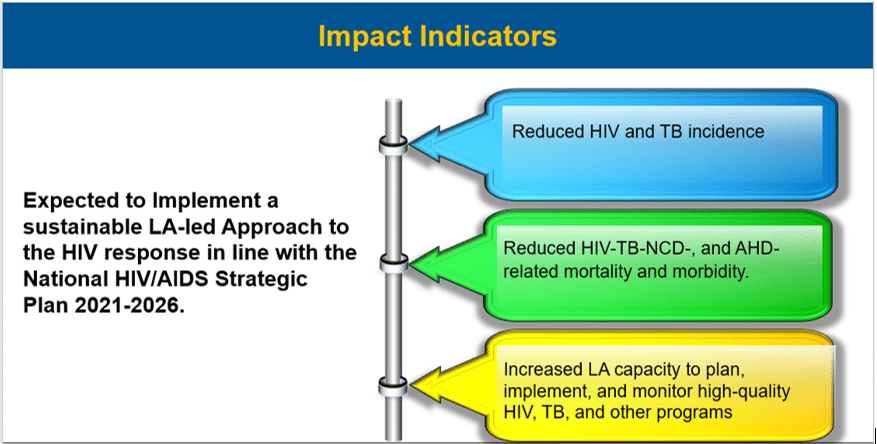
- The purpose of this proposed project is to achieve and sustain HIV epidemic control, reduce TB incidence, lower rates of HIV- and TB-related mortality and morbidity, as well as increase early detection, prevention, and control of public health (PH)
- Achieve the 95-95-95 UNAIDS targets through improved and resilient health systems and sustained Government of Uganda (GoU) capacity to plan, implement, and monitor high-quality programs to address HIV, TB, and other PH threats.
FPMH Project Objectives
- Objective 1: Accelerate and sustain high-impact, high-quality, person-centered, efficient HIV and TB case finding above 95% through to 2028
- Objective 2: Accelerate and sustain coverage of High-quality, High-impact Person-centered Comprehensive HIV and TB Treatment, care and support Services above 95% through to 2028
- Objective 3: Accelerate and Sustain HIV Viral Suppression among people receiving ART above 95% in Fort Portal, Mubende, and Hoima regions through to 2028
- Objective 4: Strengthen Health Information Systems, Data Science, and Informatics for decision-making by 2028
- Objective 5: Strengthen the Government of Uganda and Stakeholders’ Capacity to finance and build resilient Health Systems to reach and Sustain HIV Epidemic Control through 2028
The Approach
Implement high-quality person-centered HIV and TB program through:
- Strengthening LAs’ and Stakeholders’ capacity to deliver sustainable integrated HIV/TB services (sub-grants, capacity building etc.)
- Strengthening MoH’s integrated differentiated service delivery approach at HF and community levels (CHEWs, VHTs)
- Strengthening Health Information Systems Support (HISS) and Data Science and Informatics (Functional integrated EMR systems, Data Analytics, Data use etc)