Building a Future-Ready Laboratory Workforce for Uganda
The Laboratory Leadership Program (LLP) is a two-year part-time, competency-based training initiative designed to strengthen Uganda’s laboratory systems by developing a new generation of laboratory leaders.
Implemented by the Uganda National Institute of Public Health (UNIPH) at the Ministry of Health (MOH) and funded by the U.S. Centers for Disease Control and Prevention (CDC), the program equips health laboratory professionals with advanced leadership, management, and technical skills required to drive Uganda’s public health agenda forward.
Uganda’s laboratory systems are at the core of outbreak detection, disease surveillance, and emergency response. Yet, significant challenges persist:
Most laboratory professionals lack specialized training in leadership and management.
Career paths for laboratory professionals remain uncertain and undefined.
Laboratory directors have limited involvement in national-level health planning and budgeting.
Laboratory science education often overlooks critical leadership, communication, and strategic planning skills.
The LLP addresses these gaps by developing a skilled and motivated cadre of laboratory leaders who are empowered to build, lead, and sustain effective laboratory systems across human, animal, and environmental health sectors.
Strengthen technical capacity in laboratory-based outbreak detection and containment.
Establish a national cohort of competent laboratory leaders across One Health domains.
Improve the quality of laboratory and field data to guide disease control, policy, and planning.
Participants gain in-depth, hands-on training in:
Laboratory systems and infrastructure
Laboratory-based surveillance and outbreak investigation
Emergency preparedness, response, and recovery
Biosafety and biosecurity
Laboratory leadership and team management
Policy development and strategic planning
Risk communication and advocacy
Laboratory Quality Management Systems (LQMS)
Applied research
Didactic Sessions
Field Assignments
Applied Projects
Mentorship and Peer Learning
Upon completion, LLP graduates will be able to:
Lead and manage Uganda’s public health laboratory systems
Provide essential technical and advisory support across human and animal health domains
Monitor and evaluate national laboratory capacity for outbreak investigation
Enhance integration of lab services with epidemiology and disease surveillance programs
Inform national health policies with credible lab and field evidence
The LLP targets ambitious and committed laboratory professionals who meet the following criteria:
Registered with a recognized health laboratory regulatory body
Hold a Master’s degree in a biomedical laboratory-related field
Currently serve in a top or mid-level managerial role
Demonstrated interest in public health and laboratory leadership
Have a clearly defined career pathway within the public health sector
The program aims to build national capacity steadily:
6 laboratory leaders every 2 years
12 in 4 years
24 in 8 years
36 in 12 years
Each cohort will directly contribute to Uganda’s readiness to respond to emerging and re-emerging disease threats across sectors.
All learning is competency-based and tied to real-world projects
Focus on One Health: addresses human, animal, and environmental health challenges
Blends technical training with leadership development
Builds a sustainable, national network of laboratory experts and mentors
Apply now or contact us to learn more about how the Laboratory Leadership Program can elevate your career and transform national public health capacity.
Publications
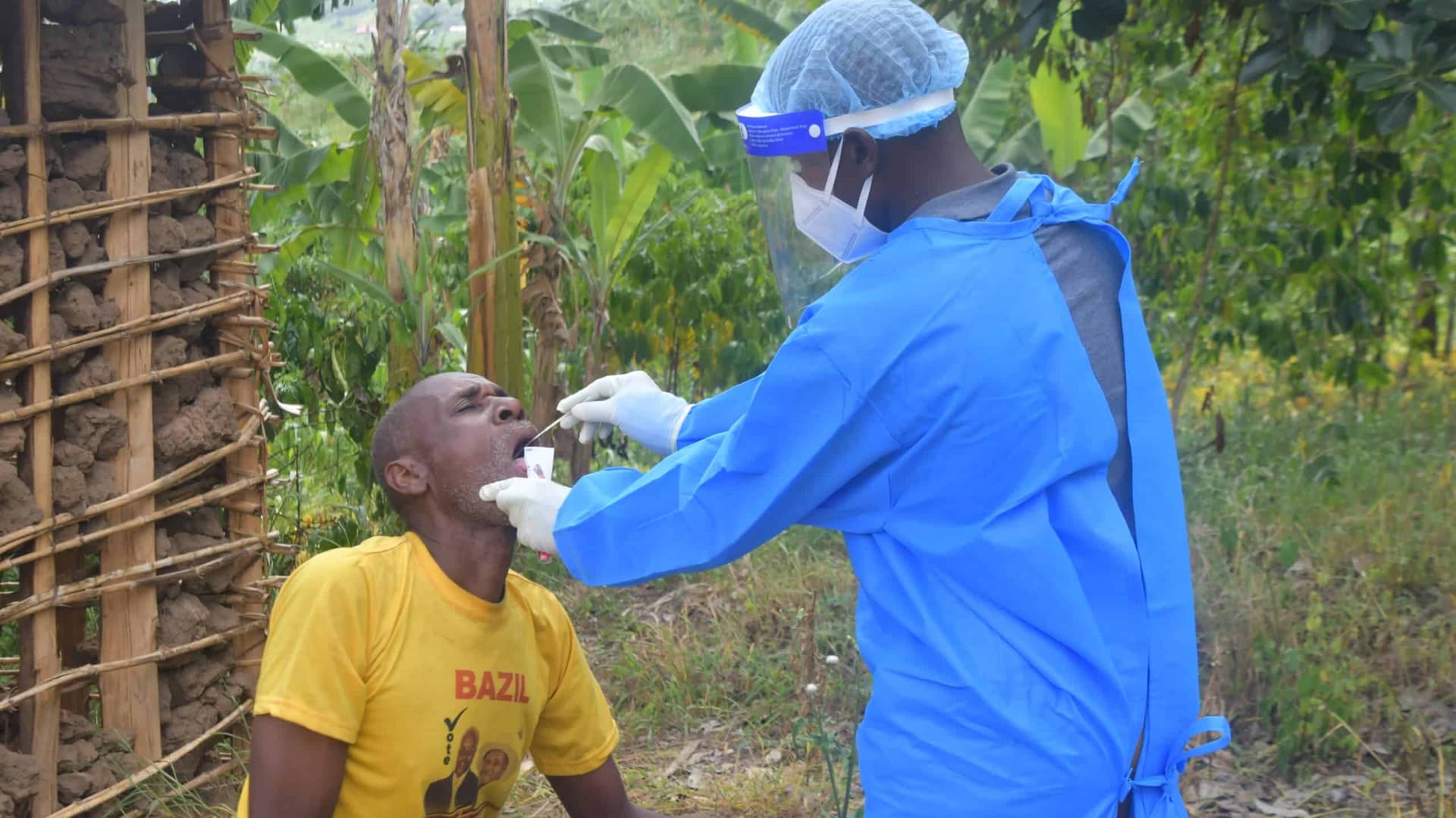
The systematic collection, analysis, interpretation and dissemination of health data
Read more →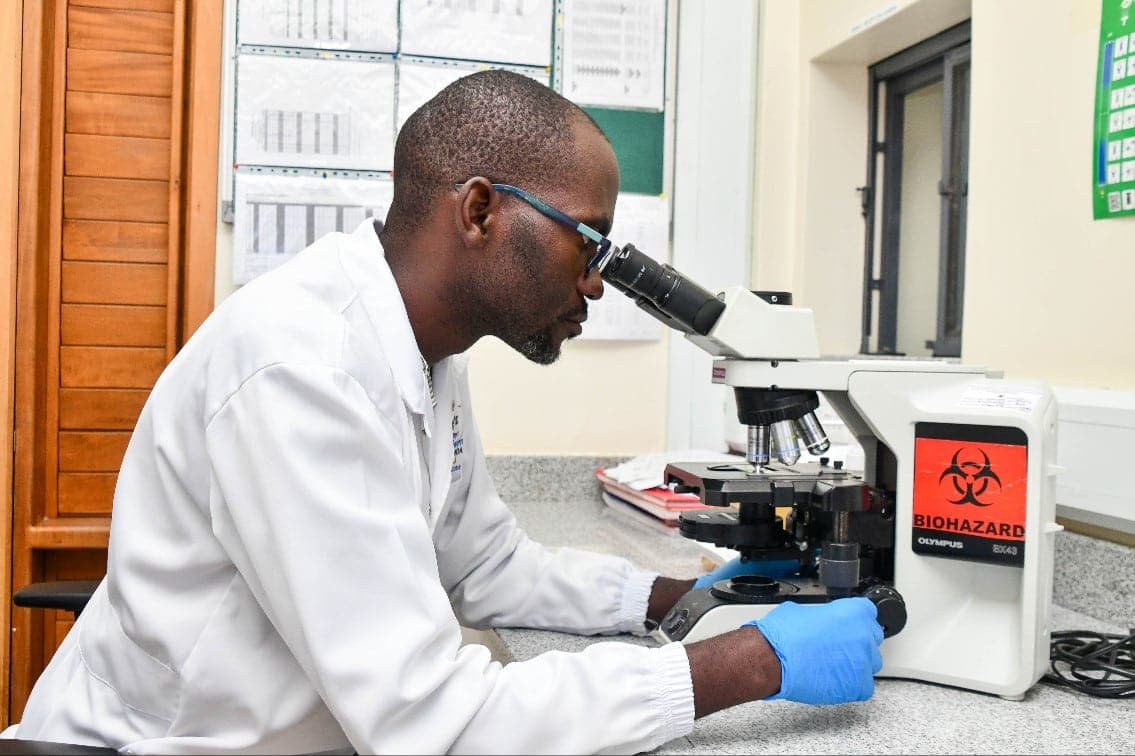
With funding from the United States Department of State, Baylor Foundation Uganda supports the Ministry of Health to strengthen laboratory networks with the capacity to provide high-quality diagnostic and surveillance s…
Read more →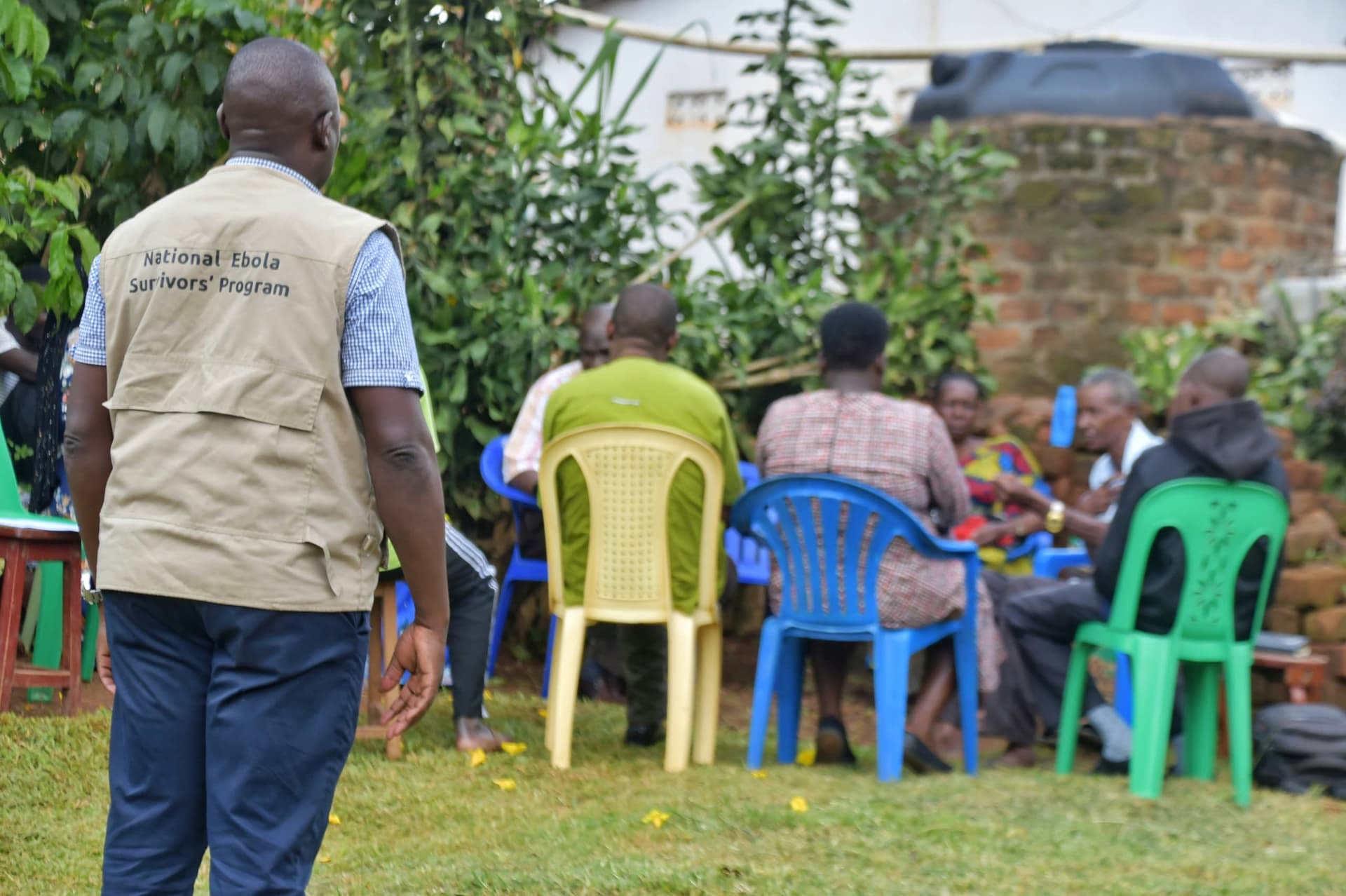
The National Ebola Survivors Program, led by Uganda’s Ministry of Health (MOH), plays a vital role in supporting the long-term recovery of individuals affected by the Sudan Ebola Virus Disease (SUDV). With funding from…
Read more →