The National Ebola Survivors Program, led by Uganda’s Ministry of Health (MOH), plays a vital role in supporting the long-term recovery of individuals affected by the Sudan Ebola Virus Disease (SUDV). With funding from USAID and the Centers for Disease Control and Prevention (CDC) for the first cohort, and continued support from USAID for the […]
The National Ebola Survivors Program, led by Uganda’s Ministry of Health (MOH), plays a vital role in supporting the long-term recovery of individuals affected by the Sudan Ebola Virus Disease (SUDV). With funding from USAID and the Centers for Disease Control and Prevention (CDC) for the first cohort, and continued support from USAID for the second, the program—implemented by Baylor Foundation Uganda—is dedicated to improving the quality of life for Ebola survivors and preventing future outbreaks.
Ebola survivors often face a range of long-term challenges, including medical complications after discharge, psychological distress, stigma, and social exclusion. Additionally, persistence of the Ebola virus in certain bodily fluids—such as semen and breastmilk—poses a risk for future transmission. The program addresses these issues through integrated medical care and psychosocial support.
Our Approach
The program supports two cohorts of survivors from the 2022 and 2025 SUDV outbreaks, delivering comprehensive services to men, women, children, and lactating mothers. These services include:
The program also addresses challenges faced by the survivors within their communities through couple counseling sessions and dialogue meetings. This aims at addressing stigma and discrimination, helping them to reintegrate into the community.
Through the Corps program, survivors are trained to provide support to their peers.
Ebola Survivors’ Program Family Dialogue
Coordination
Clinical care and mental health support
Viral persistence testing: (Graphic visualization of this data)
Trained:
The effects of Ebola extend far beyond the initial infection. After discharge, survivors face medical, emotional, and social struggles that not only affect them but also their families and the community. Through continuous clinical and psychosocial support, this program builds resilience and helps Ebola survivors reintegrate into society with dignity, while also reducing public health risks.
Through national and international collaboration, community involvement, and expert care, Uganda is leading the way in Ebola recovery and survivor support.
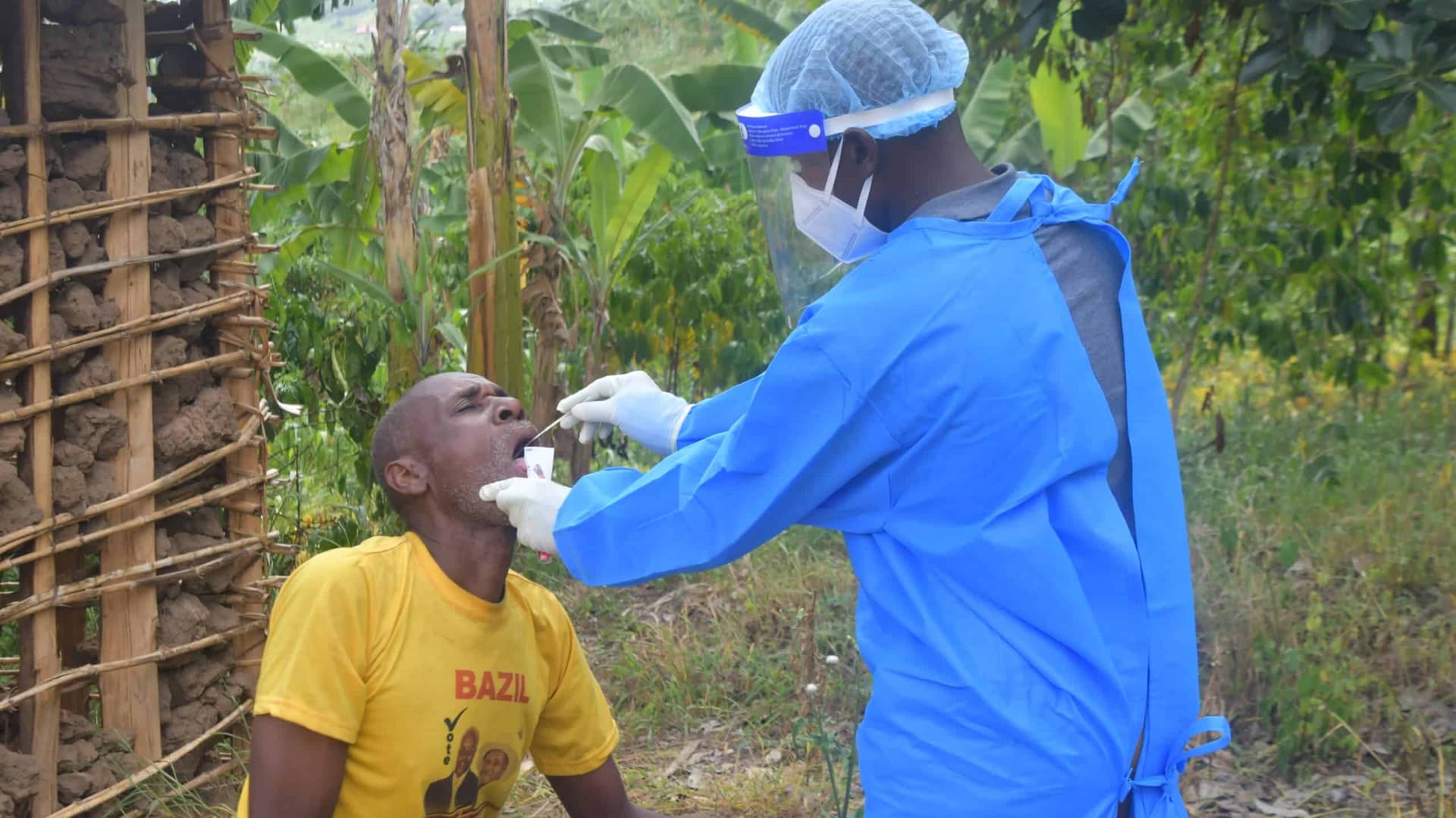
Disease and mortality surveillance—the systematic collection, analysis, interpretation, and dissemination of health data—is essential for monitoring disease trends, identifying emerging threats, and informing timely pub…
Read more →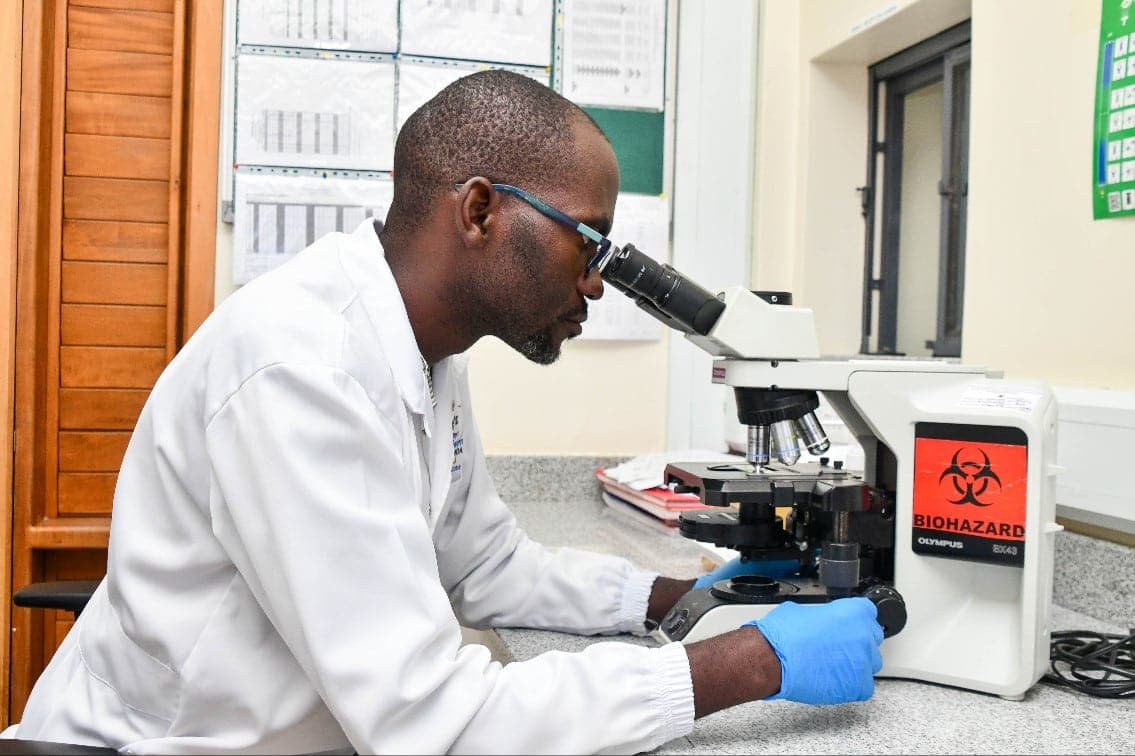
Baylor Foundation Uganda, with funding from the United States Department of State is supporting the Ministry of Health to build a laboratory network with the capacity to provide diagnostic and surveillance services. Bay…
Read more →
A Global Threat Becomes a National Responsibility According to the Global Burden of AMR (GRAM) Report, AMR caused 1.27 million deaths globally in 2019. Without urgent action, this figure could rise to 10 million annuall…
Read more →