Disease and mortality surveillance—the systematic collection, analysis, interpretation, and dissemination of health data—is essential for monitoring disease trends, identifying emerging threats, and informing timely public health interventions. Effective surveillance is the heartbeat of public health security, enabling rapid containment of outbreaks, reducing morbidity and mortality, and strengthening national health systems through improved preparedness and response. […]
Disease and mortality surveillance—the systematic collection, analysis, interpretation, and dissemination of health data—is essential for monitoring disease trends, identifying emerging threats, and informing timely public health interventions. Effective surveillance is the heartbeat of public health security, enabling rapid containment of outbreaks, reducing morbidity and mortality, and strengthening national health systems through improved preparedness and response.
Surveillance systems have proven vital in controlling epidemic-prone diseases such as Ebola, Mpox, COVID-19, Cholera, Yellow Fever, and Measles.
Baylor Foundation Uganda (BFU), with support from multiple donors, has supported the Ministry of Health in been instrumental in helping Uganda meet its obligations under the International Health Regulations (IHR 2005). By strengthening national surveillance capacities, BFU is building resilience against current and future health threats.
Through data collection and analysis on disease prevalence, mortality trends, and transmission patterns, BFU-supported surveillance systems provide early warning signs of outbreaks—enabling timely response and containment.
All these systems are coordinated under Uganda’s Integrated Disease Surveillance and Response (IDSR) strategy—the national framework guiding surveillance and epidemic response efforts.
To further reinforce surveillance capacity, BFU has seconded a team of technical experts to the National Emergency Operations Centre (EOC) and the Department of Integrated Epidemiology, Surveillance, and Public Health Emergencies. Their contributions have led to the rapid detection, investigation, and containment of 11 public health events to date—demonstrating the power of data-driven action and strategic partnerships in global health security.
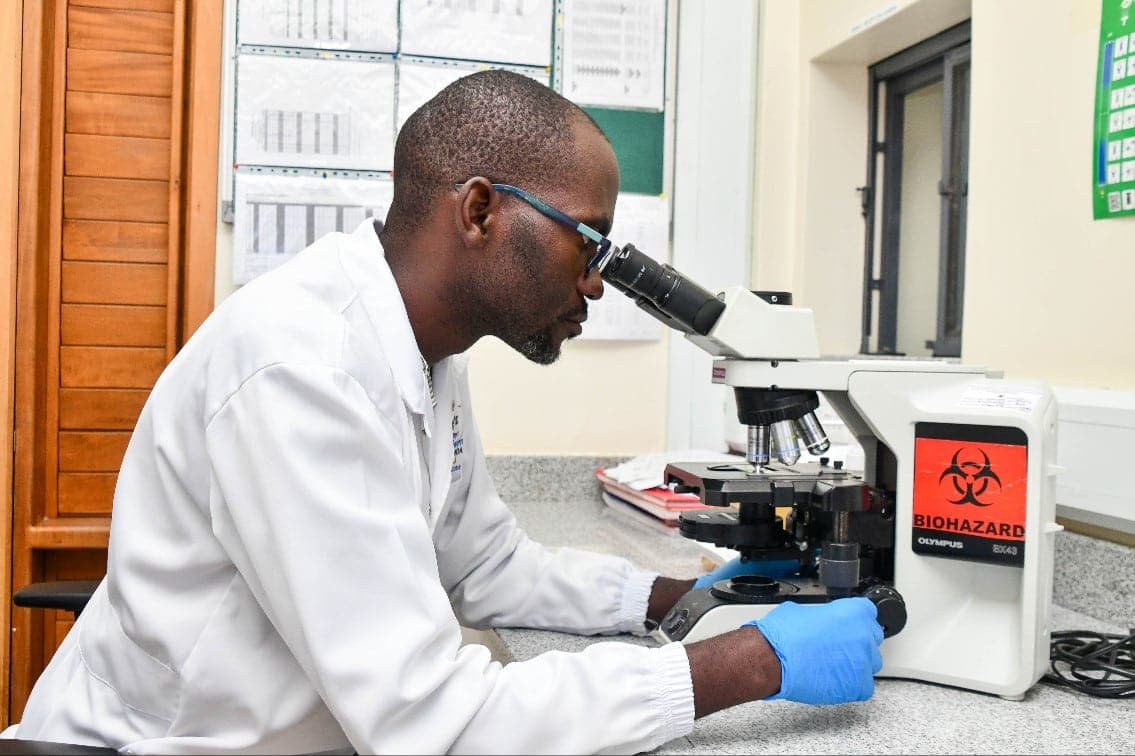
Baylor Foundation Uganda, with funding from the United States Department of State is supporting the Ministry of Health to build a laboratory network with the capacity to provide diagnostic and surveillance services. Bay…
Read more →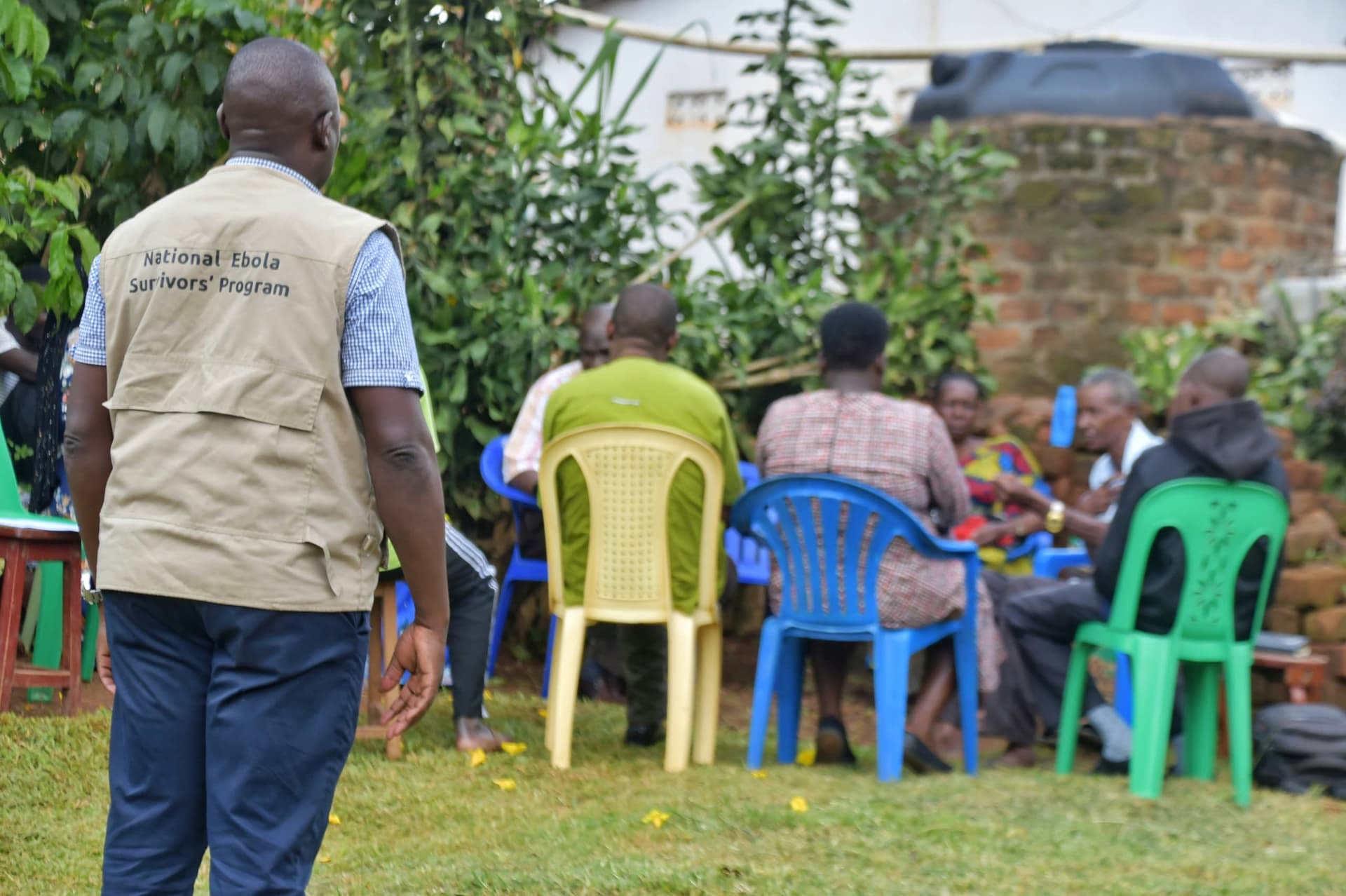
The National Ebola Survivors Program, led by Uganda’s Ministry of Health (MOH), plays a vital role in supporting the long-term recovery of individuals affected by the Sudan Ebola Virus Disease (SUDV). With funding from…
Read more →
A Global Threat Becomes a National Responsibility According to the Global Burden of AMR (GRAM) Report, AMR caused 1.27 million deaths globally in 2019. Without urgent action, this figure could rise to 10 million annuall…
Read more →