
Baylor College of Medicine
Children’s Foundation - Uganda
Children’s Foundation - Uganda
Project Name
Comprehensive multisectoral HIV Prevention and Reproductive Health for Adolescent Girls and Young Women in 3 Districts in Uganda.
Summary
Uganda has one of the youngest populations in the world with 50% children aged 0-17 years, 24.9% adolescents 10-19 years, and 23.3% youth aged 18- 30 years. (National Population and Housing Census 2024) And while HIV prevalence in Uganda has reduced from 7.2% in 2016 to 5.8% in 2022 (UPHIA 2022), the HIV burden among Adolescent Girls, and Young Women (AGYW) aged 10-24 years remains disproportionately high (three times higher than their male counterparts). AGYW constitute 33% of Uganda’s population, and yet contribute 70% of the new HIV infections. According to the UDHS 2022 1 in every 10 women age 15-19 years has began child bearing. This percentage significantly rises to 4 out of every 10 by the time they are 18. Teenage pregnancy affects 24% of girls and is linked to school dropout, early marriage, unsafe abortions (39%), and heightened risk of gender-based violence (GBV) at (35%) (Uganda Violence Against Children Survey Findings from A National Survey, 2018). AGYW additionally experience high burdens of STIs (14.2%). (UDHS 2022)
The problem is linked to the challenges highlighted in national and international guidelines and policies such as the NDPIV, Sustainable Development Goals and the UNICEF Country Programme Document 2021-2025. The program sought to address these challenges by supporting national efforts to accelerate the realisation of children’s rights and progress towards achieving the Sustainable Development Goals for children, in line with the vision of the Agenda 2063 for Africa. The overarching theory of change for the country programme held that accelerated progress can be achieved for boys and girls in Uganda, especially the most vulnerable and disadvantaged, so that they can realise their rights and have equal opportunity to survive and thrive.
The theory of change specific to the project was;
If, we strengthen coordination of the multisectoral AGYW HIV/TB/SRHR/GBV/ Nutrition/ response, we strengthen the capacity of health and community workers to deliver quality AGYW-friendly services, we strengthen peer-led differentiated services and foster community engagement for adolescent health.
Then,
We shall remove barriers hindering AGYW from accessing and utilising health services, strengthen health facility and community systems and contribute to increased access and utilization of a comprehensive and responsive package for at-risk AGYW in the 3 target districts in Uganda
Project Objectives
The goal of the project is to reduce new HIV infections and improve reproductive health outcomes among AGYW.
The objectives of the project were;
Target Beneficiaries / Stakeholders
Identify who the project is designed to benefit and any other key stakeholders involved.
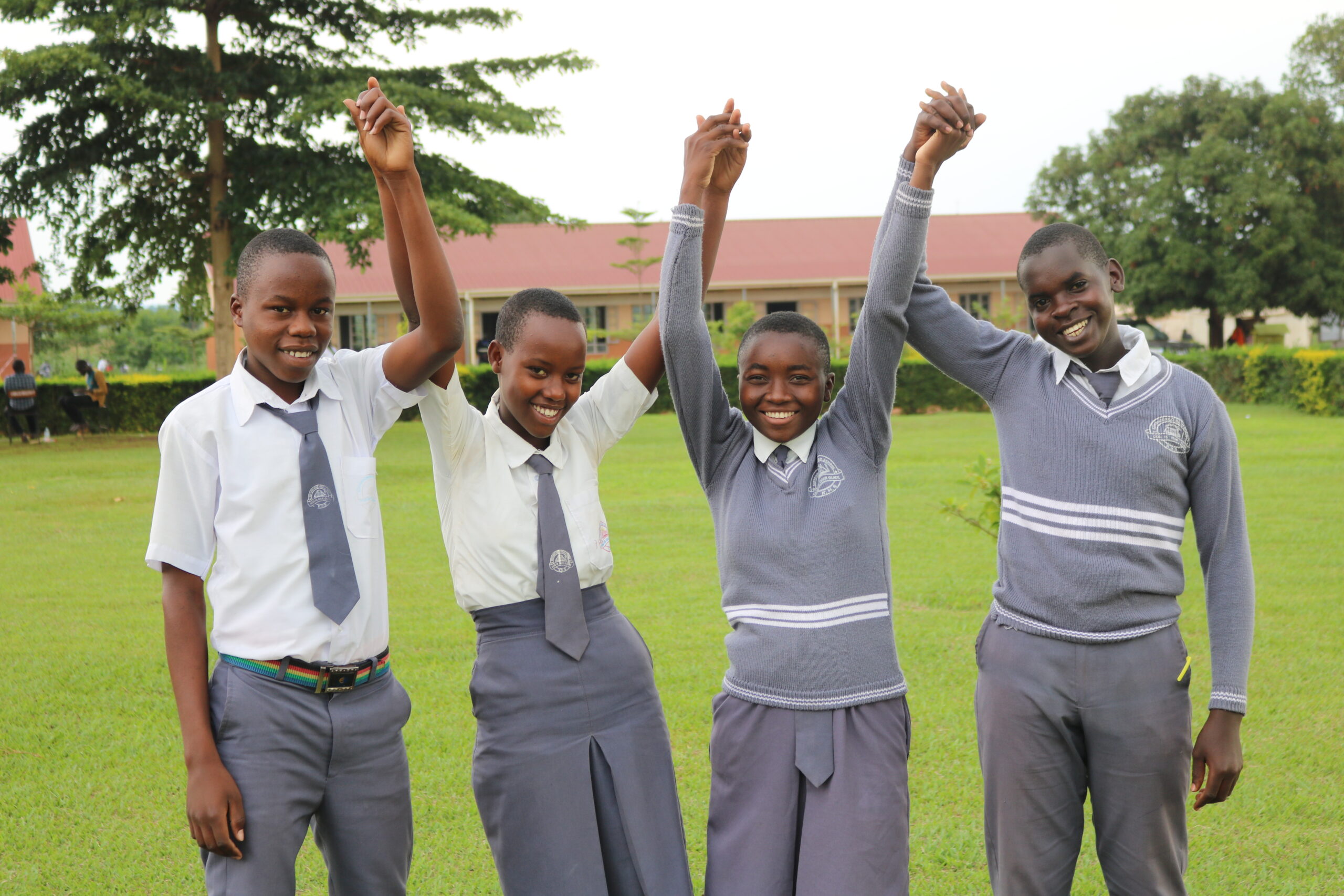
The project’s primary beneficiaries were: Pregnant and Parenting AGYW, including their children, partners, and caregivers, young people affected and at risk of HIV
Secondary audiences: Men and Boys, organised youth groups, parents, cultural leaders, religious leaders, community opinion leaders, school administrations, and non-teaching staff.
Results / Achievements to Date
In liaison with the District Community Departments and as part of the partner contribution, BFU provided 80 sewing machines to the 2 districts of Kiryandongo and Kamwenge (40 each) to AGYW that had been trained in tailoring.
UNICEF
Project Coverage across 3 Districts;
Project Objectives