Baylor College of Medicine
Children’s Foundation - Uganda
Children’s Foundation - Uganda
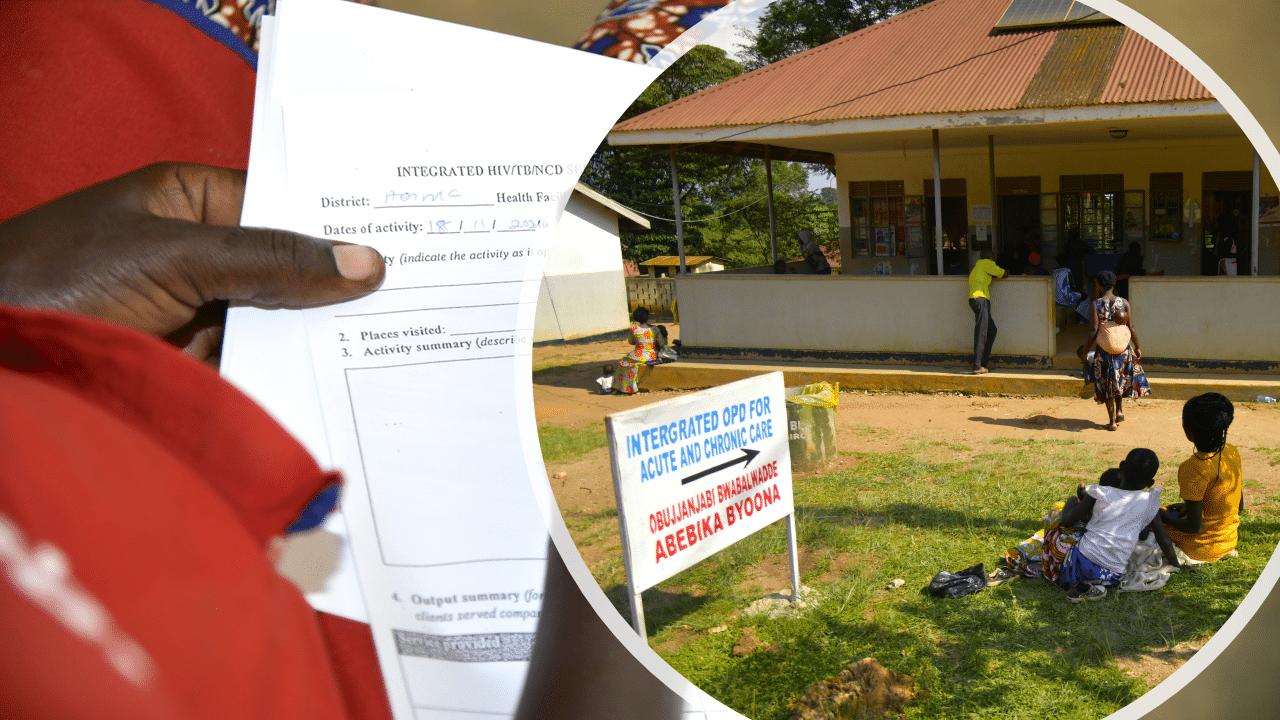
Baylor Foundation Uganda, with support from PEPFAR through the U.S. Centers for Disease Control and Prevention (CDC), continues to support health facilities across its projects to fully implement integrated health services as mandated by the Ministry of Health. Integration remains central to improving efficiency, reducing missed opportunities, and ensuring clients receive comprehensive care at a common service point.
Through targeted and routine Technical Support Supervision (TSS), our technical assistance teams (TATs) work through local authority-based TATs to support health workers in reorganising service delivery, streamlining patient flow, and strengthening coordination between departments such as OPD, MCH, ART clinics, TB units, and laboratory services.
During a recent TSS visit at one of the high-volume facilities, the team found that mothers attending ANC at one health facility in Hoima District had to make three separate stops to access HIV testing, nutritional assessment, and TB screening. Working with the facility team, services were reorganised so these could all be offered at a single point of care, immediately reducing waiting time and improving client satisfaction. Health workers reported that in just one week, more mothers completed all required services, with fewer missed opportunities for screening.
At another site in Mubende district, the team observed that clients living with HIV were frequently referred between the ART clinic and OPD for basic laboratory reviews. By coordinating the two units and redesigning client flow, health workers were able to serve clients within the Chronic care clinic while maintaining proper documentation and laboratory access. This simple adjustment significantly reduced congestion at OPD and improved privacy for ART clients.
Across facilities, supervision teams continue to work with staff and district leadership to identify service delivery gaps and demonstrate practical, context-specific approaches for effective integration.
At several sites, teams were guided using real-time examples to:
• Align service points with MoH integration expectations
• Reduce client movement between units
• Improve documentation and data use
• Ensure continuity of care across the full client pathway
These efforts reaffirm Baylor Foundation Uganda’s commitment in partnership with PEPFAR through CDC to building resilient, client-centred health systems that deliver high-quality, efficient, and coordinated services.
Baylor Foundation Uganda remains dedicated to working with districts and health facilities to strengthen the adoption of integrated models of care across 330 health facilities in the 29 local authorities (23 Districts, 2 cities and 4 municipalities).