Nalubowa Sumaya, a 32-year-old mother of four from Kaweeri in Mubende District, never imagined she could be seriously ill. A survivor of the Sudan Ebola Virus Disease, she was diligent in attending her routine check-ups through the National Ebola Survivors’ Program. “I felt fine,” she recalls. “So when the doctor told me I had high […]
Nalubowa Sumaya, a 32-year-old mother of four from Kaweeri in Mubende District, never imagined she could be seriously ill. A survivor of the Sudan Ebola Virus Disease, she was diligent in attending her routine check-ups through the National Ebola Survivors’ Program. “I felt fine,” she recalls. “So when the doctor told me I had high blood pressure, I didn’t believe it.”
At first, Sumaya ignored the prescription. “I didn’t take the medication because I had no symptoms,” she admits. Like many others, she underestimated hypertension—a condition often dubbed the “silent killer” because it can progress without warning signs until it’s too late.
Just days later, Sumaya began experiencing unsettling heart palpitations. Fear set in. “I remembered hearing that hypertension can be deadly,” she says. Still unsure, she sought second and third opinions at other health facilities. The diagnosis was the same: hypertension. The advice was unanimous—start the medication.
With her symptoms persisting, Sumaya finally gave in and began treatment. What started as one tablet soon became a regimen of four different types. It was a difficult adjustment, but it saved her life.
Studies have shown that Ebola survivors can face lingering health complications for months, even years after recovery. That’s why the National Ebola Survivors’ Program—implemented by the Ministry of Health with support from the U.S. Centers for Disease Control and Prevention—offers free, comprehensive care for survivors. This includes medical treatment, mental health services, and psychosocial support.
So far, the program has identified and treated hypertension in 57 out of 87 survivors. Sumaya is one of them—and her health is improving. She’s now stabilized on a single type of medication.
“I’m really grateful to the program,” she says. “Even when I call them at odd hours, they respond. They take me for reviews, give me my medication, and I don’t pay a coin.”
Sumaya lost her market vending job during the pandemic and now relies on peasant farming to support her family. Despite the financial struggles, she no longer has to worry about the cost of her treatment—because someone showed up when it mattered most.
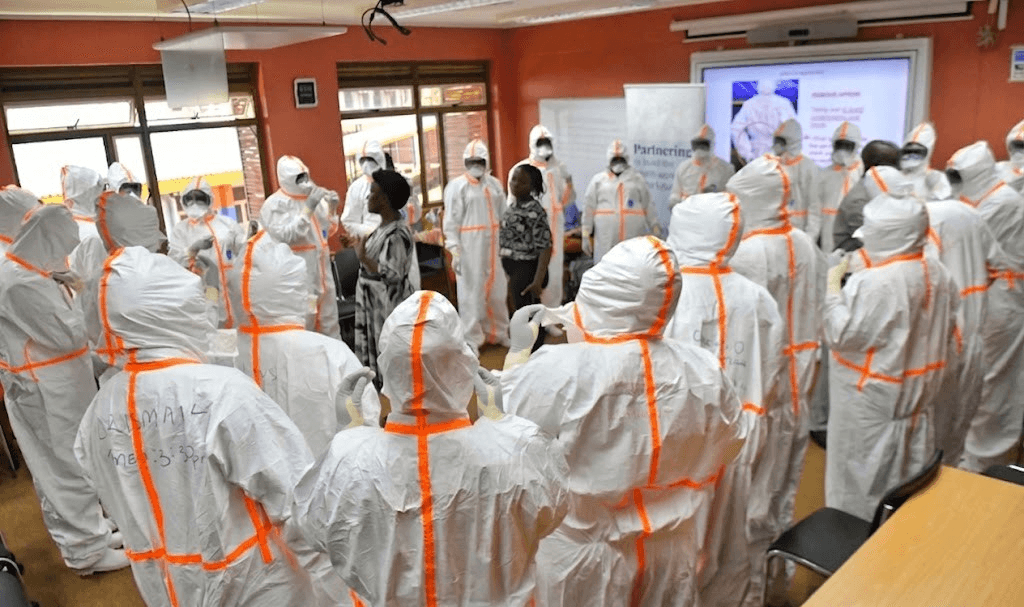
With support from The ministry of Health, Baylor Foundation Uganda and U.S. CDC, China-Uganda Friendship Hospital, Naguru improved waste management from 5% to 88% and hand hygiene compliance from 40% to 76% through stre…
Read more →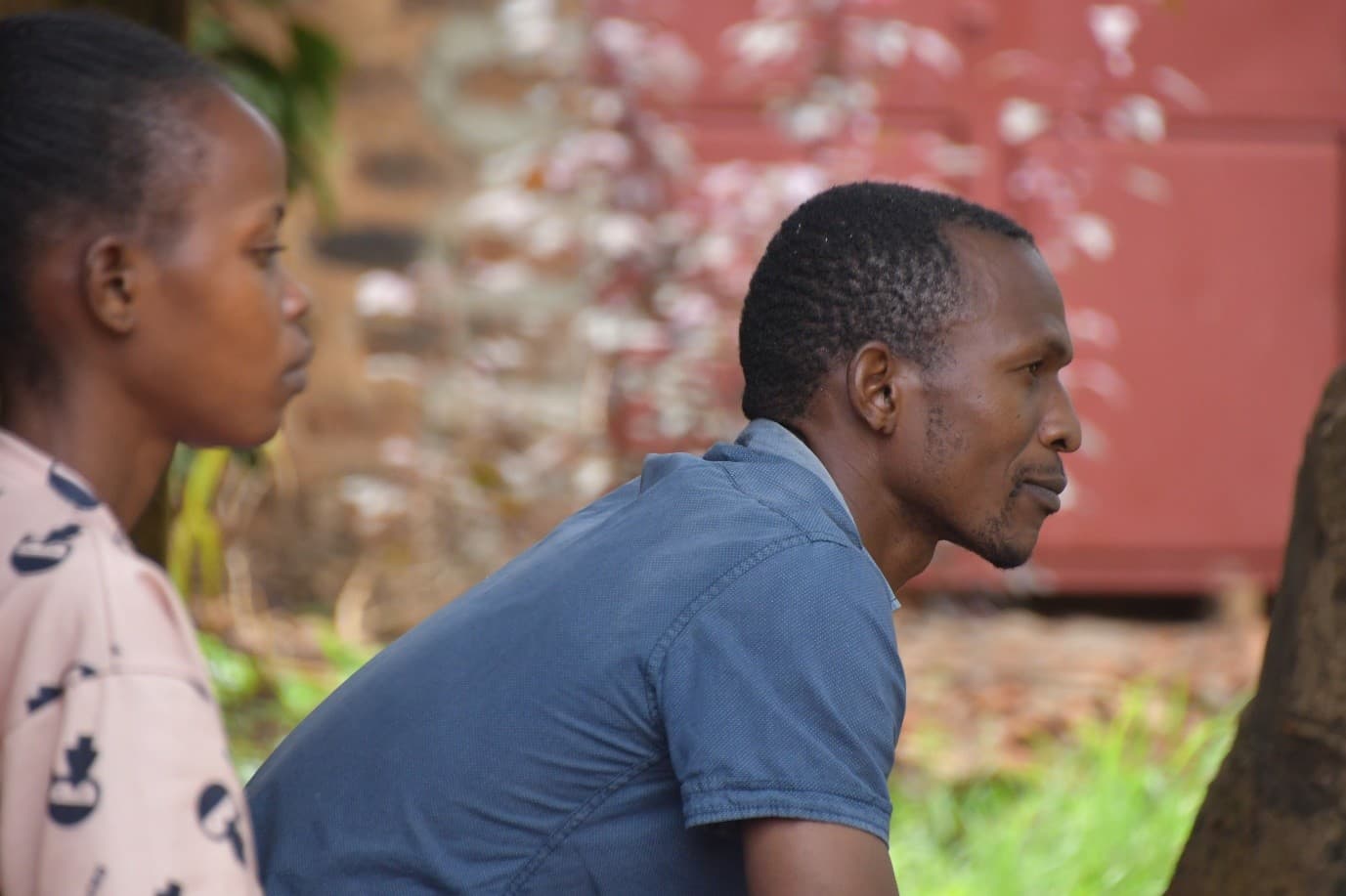
The aftermath of Ebola is just the beginning of another battle fraught with many challenges. Aramadhan, an Ebola survivor and brother to the first documented case of the recent Ebola Sudan Ebola Virus Disease (SUDV) in…
Read more →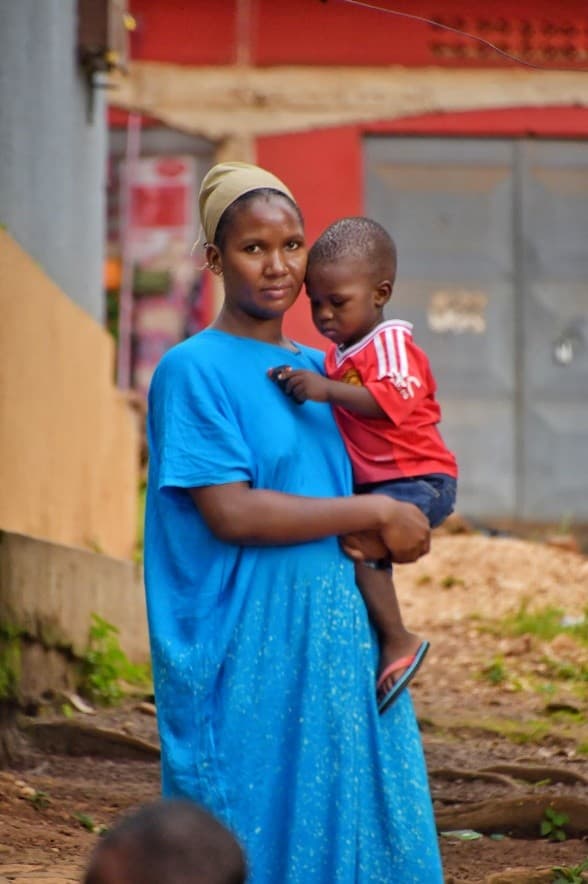
Aisha and her son are survivors of the deadly Ebola virus. But now, they face another battle—rebuilding their lives after everything they once knew fell apart. Aisha lost her husband to the disease; her eldest child is…
Read more →